In the world of strength training, where every rep counts and every lift is a testament to personal power, the importance of a proper warm-up often goes unnoticed. Imagine embarking on a journey without a map, or starting a symphony without tuning your instruments. A well-structured warm-up is the unsung hero of any successful workout, setting the stage for peak performance and safeguarding against injury. As the body awakens from its resting state, muscles stretch, joints lubricate, and the mind focuses, preparing for the challenges ahead. In this article, we delve into the best warm-up techniques that transform potential energy into kinetic prowess, ensuring that each training session is not just effective, but exhilarating. Whether you’re a seasoned lifter or a novice finding your footing, these strategies will elevate your regimen, unlocking new levels of strength and resilience. Dynamic Stretching to Activate Muscles”>
Dynamic Stretching to Activate Muscles
Dynamic stretching is an essential component of a comprehensive warm-up routine, especially when gearing up for strength training. Unlike static stretching, which involves holding a stretch for a prolonged period, dynamic stretching focuses on active movements that mimic the exercises you’ll perform during your workout. This method effectively increases blood flow, enhances flexibility, and primes the nervous system, preparing your muscles for the intense work ahead. By engaging in dynamic stretches, you not only reduce the risk of injury but also improve your overall performance.
- Leg Swings: Gently swing your legs forward and backward, then side to side, to loosen up the hip joints and activate the hamstrings and quads.
- Arm Circles: Perform large circles with your arms to warm up the shoulders and improve mobility.
- Walking Lunges: Step forward into a lunge, alternating legs, to engage the glutes, quads, and calves.
- Torso Twists: Rotate your torso from side to side, keeping your hips stable, to awaken the core muscles.
- High Knees: Run in place, bringing your knees up towards your chest, to increase heart rate and activate the lower body.
Incorporating these dynamic stretches into your warm-up routine not only activates key muscle groups but also sets the stage for a more effective and efficient strength training session.
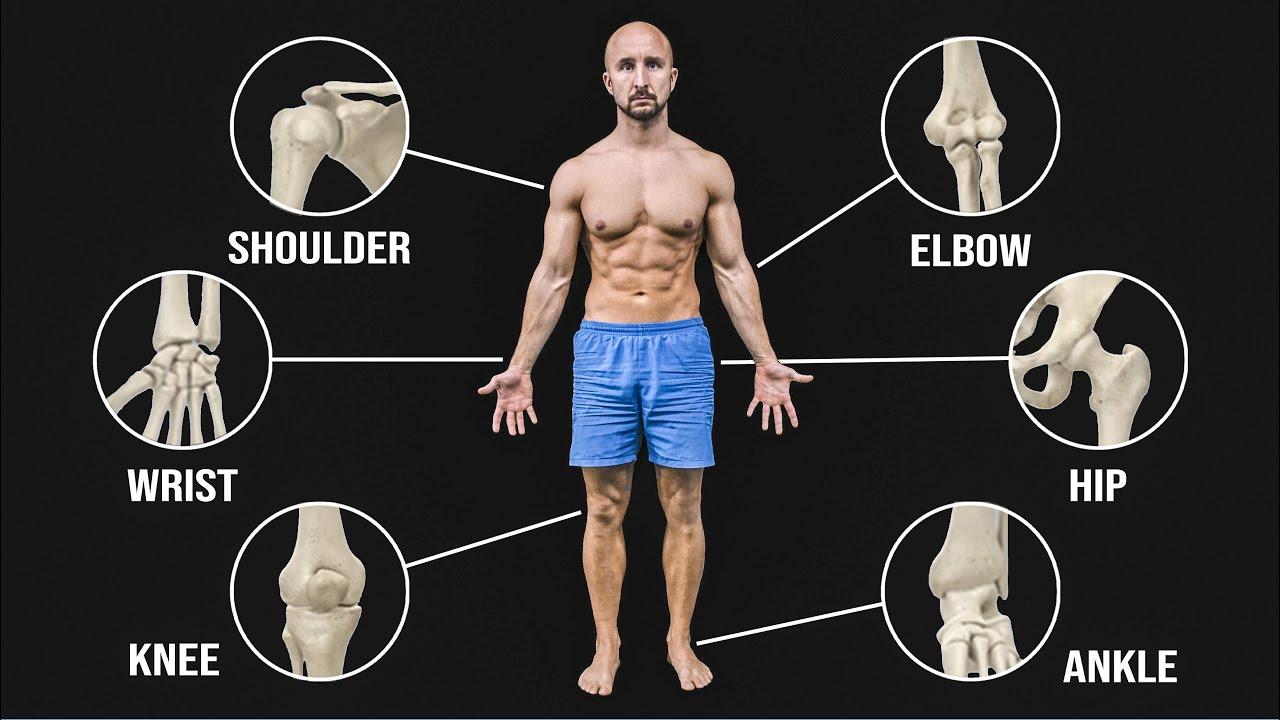
Joint Mobility Exercises for Enhanced Range of Motion
Before diving into strength training, incorporating specific exercises to boost joint mobility can significantly enhance your workout experience. By focusing on key areas like the hips, shoulders, and ankles, you prepare your body for the demands of lifting weights, reducing the risk of injury and improving overall performance. Here are some exercises to consider:
- Hip Circles: Stand with feet shoulder-width apart and place your hands on your hips. Move your hips in a circular motion, gradually increasing the size of the circles. This exercise helps to open up the hip joints, providing better flexibility and movement.
- Shoulder Rolls: Gently roll your shoulders forward and backward in a circular motion. This loosens the shoulder joints and improves the range of motion, essential for exercises like overhead presses.
- Ankle Flexes: Sit or stand and flex your ankles by pointing your toes and then pulling them back towards your shins. This movement strengthens the ankles and enhances stability during lifts.
Integrating these exercises into your warm-up routine can lead to more effective and safe strength training sessions. Prioritizing joint mobility ensures that your body moves fluidly and efficiently, setting a solid foundation for your fitness journey.

Core Engagement Strategies for Stability and Power
Building a strong foundation is crucial for effective strength training, and engaging your core is a pivotal part of this process. Before diving into your workout, consider incorporating specific strategies that target your core to enhance stability and maximize power output. Here are some techniques to consider:
- Dynamic Planks: Move beyond the static plank by incorporating movements like plank shoulder taps or plank to push-up transitions. These not only engage your core but also activate your shoulders and arms, setting the stage for a comprehensive workout.
- Medicine Ball Twists: Using a medicine ball for rotational exercises can effectively warm up your oblique muscles. This prepares your core for the multidirectional forces you’ll encounter during compound lifts.
- Hollow Body Holds: Engage your entire core with hollow body holds. By keeping your lower back pressed into the ground and lifting your arms and legs, you activate deep core muscles essential for maintaining stability during heavy lifts.
Integrating these exercises into your warm-up routine not only prepares your core for the demands of strength training but also helps in preventing injuries by ensuring your body is ready to handle the load.

Breathing Techniques to Optimize Performance
Mastering the art of breathing is a powerful yet often overlooked tool in enhancing your strength training regimen. The way you breathe can significantly impact your performance by improving oxygen flow to your muscles, stabilizing your core, and reducing stress levels. Here are some effective techniques to incorporate into your warm-up routine:
- Diaphragmatic Breathing: Engage your diaphragm to take deep, controlled breaths. This technique increases lung capacity and helps deliver more oxygen to your muscles, enhancing endurance and strength.
- Box Breathing: Practice a rhythmic pattern by inhaling for four counts, holding for four, exhaling for four, and pausing for another four. This method calms the nervous system, focusing the mind and preparing it for intense physical activity.
- Nasal Breathing: Breathe in and out through your nose to filter and humidify the air, optimizing oxygen uptake and promoting a steady heart rate.
Integrating these techniques into your pre-workout ritual not only prepares your body for the demands of strength training but also fosters a more mindful approach to exercise.
In Conclusion
As we wrap up our exploration of the best warm-up techniques for strength training, it’s clear that preparation is not just a preliminary step, but a cornerstone of an effective workout. Embracing a tailored warm-up routine not only primes your muscles and joints but also sharpens your focus, setting the stage for success. Whether you’re a seasoned lifter or a newcomer to the weight room, these techniques offer a pathway to enhanced performance and reduced risk of injury. So, as you lace up your trainers and step onto the gym floor, remember that each warm-up is a ritual—a moment to honor your body and its potential. With every dynamic stretch and focused breath, you’re not just preparing to lift weights; you’re crafting a foundation for strength that transcends the physical.