
In the world of marathon training, where every stride counts and every second matters, the quest for optimal performance often leads runners to explore a variety of nutritional aids. Among these, energy gels and drinks have surged in popularity, promising to fuel the long miles and power the final push to the finish line. Yet, as athletes lace up their running shoes and set their sights on the marathon goal, a pivotal question arises: Are these sugary concoctions truly essential, or merely a modern-day convenience? This article delves into the science, the benefits, and the potential drawbacks of incorporating energy gels and drinks into marathon training, offering a balanced perspective on their necessity in the pursuit of endurance excellence.
Understanding the Role of Energy Gels and Drinks in Endurance Sports
In the world of endurance sports, particularly marathon training, energy gels and drinks have carved out a niche for themselves as essential performance-enhancing tools. These products are designed to provide quick and efficient fuel to athletes during long-distance events. They deliver a concentrated source of carbohydrates, which is the primary energy source for the body during prolonged physical activity. The key benefits of using energy gels and drinks include:
- Convenient energy boost: Easily portable and quick to consume, making them ideal for on-the-go fueling.
- Rapid absorption: Designed for quick digestion, allowing athletes to maintain energy levels without causing digestive discomfort.
- Electrolyte balance: Many options include essential electrolytes like sodium and potassium, which help maintain hydration and prevent cramps.
However, the necessity of these products is often debated. While they can be beneficial, they aren’t universally required. Some athletes prefer natural alternatives like fruits or homemade snacks. Ultimately, the choice depends on individual preferences and digestive tolerance. Marathon runners should experiment during training to determine what best suits their needs, ensuring they have a reliable energy source on race day without unwanted surprises.
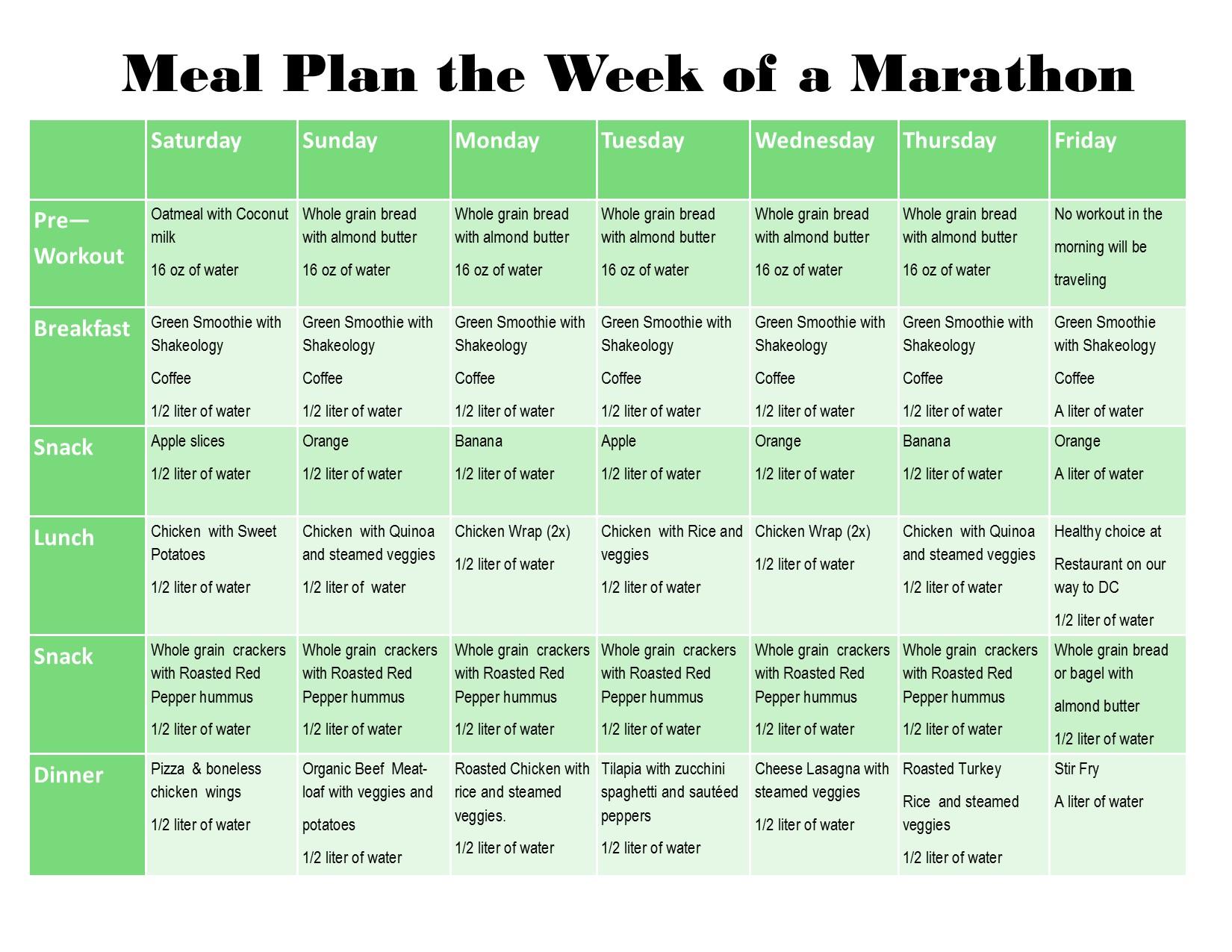
Balancing Nutrition and Performance for Marathon Success
In the realm of marathon training, energy gels and drinks often emerge as popular choices for athletes seeking to enhance performance. These compact sources of carbohydrates, electrolytes, and sometimes caffeine, are designed to provide quick energy boosts during long runs. While they can be effective in replenishing glycogen stores and maintaining energy levels, their necessity depends largely on individual needs and training strategies.
- Personal Preference: Some runners find gels and drinks essential for sustaining energy, while others prefer whole foods or natural alternatives.
- Digestive Comfort: Experiment with different options during training to ensure they sit well with your stomach.
- Training Intensity: High-intensity sessions might benefit from these quick energy sources, but consider balancing them with a nutritious diet.
Ultimately, the choice to incorporate these products should align with your unique dietary needs, ensuring that they complement rather than compromise your overall nutritional strategy.
Expert Insights on Optimal Energy Gel and Drink Usage
When it comes to marathon training, the strategic use of energy gels and drinks can make a significant difference in performance and recovery. These products are formulated to replenish glycogen stores, maintain electrolyte balance, and provide a quick energy boost during long-distance runs. While some runners swear by them, others prefer to rely on natural foods and hydration methods. So, how do you decide what’s best for your training routine?
- Understand Your Needs: Every runner is different. Pay attention to how your body responds to long runs without supplementation and adjust accordingly.
- Timing is Key: Consume energy gels or drinks at regular intervals during your run to prevent fatigue before it hits.
- Experiment During Training: Never try a new gel or drink on race day. Use your training runs to find what works best for your body.
- Balance with Natural Foods: Combine gels and drinks with whole foods for a well-rounded energy strategy.

Tailoring Your Marathon Fueling Strategy for Maximum Benefits
When it comes to marathon training, finding the right balance in your fueling strategy can make all the difference. While energy gels and drinks are popular choices, their necessity largely depends on individual preferences and body responses. Here are some key considerations to help you tailor your approach:
- Listen to Your Body: Some runners find that energy gels provide a quick and efficient source of carbohydrates during long runs, while others experience digestive discomfort. Experiment during training to determine what works best for you.
- Variety is Key: Incorporate a mix of energy sources. Besides gels and drinks, consider whole foods like bananas or dried fruits that can offer sustained energy without the risk of an upset stomach.
- Hydration Matters: Whether you choose gels, drinks, or a combination, ensure that your strategy includes adequate hydration. Electrolyte drinks can be particularly beneficial in maintaining fluid balance and preventing cramps.
Ultimately, the best fueling strategy is one that aligns with your body’s needs and your performance goals. By testing various options and adjusting based on your experiences, you can develop a personalized plan that optimizes energy levels and enhances endurance.
In Conclusion
As the sun sets on our exploration of energy gels and drinks in marathon training, it’s clear that the path to the finish line is as individual as the runners themselves. While some athletes may find a trusty ally in these sugary companions, others might prefer the natural rhythm of their body’s reserves. The decision ultimately rests in the hands—or rather, the feet—of each runner. Whether you’re fueled by a burst of glucose or the sheer thrill of the race, remember that the essence of marathon running lies not in what you consume, but in the relentless spirit that drives you forward. So lace up, find your stride, and let your journey to the marathon be as unique and personal as your choice of fuel.