In the pursuit of excellence, motivation often serves as the powerful engine that propels us toward our goals. It is the spark that ignites our passions and the driving force that keeps us moving forward, even when the road is steep and fraught with challenges. Yet, like any potent force, motivation can sometimes veer into treacherous territory, leading us to a perilous edge where ambition transforms into obsession. This is particularly evident in the world of physical training, where the line between dedication and overtraining can blur, with significant consequences for both body and mind. As we delve into the complex interplay between motivation and overtraining, we must ask ourselves: can the very force that fuels our progress also be our undoing? This article explores the nuanced dynamics of motivation, examining whether its relentless pursuit might sometimes push us beyond the limits of what is beneficial, and into the realm of harm.
Understanding the Fine Line Between Motivation and Obsession
When motivation morphs into an unwavering obsession, it can tread into dangerous territory, particularly in the realm of physical fitness. Overtraining is a common pitfall for those who blur the lines between healthy ambition and an unhealthy compulsion. The relentless pursuit of perfection often results in more harm than good, leading to physical injuries, burnout, and a diminished quality of life.
- Physical Impact: Excessive training can lead to chronic injuries, decreased performance, and even immune system suppression.
- Mental Strain: An obsession with training can overshadow other important aspects of life, causing stress and anxiety.
- Balance is Key: Ensuring a balanced approach, with adequate rest and recovery, helps maintain both physical and mental well-being.
While motivation is the driving force behind achieving goals, recognizing when it becomes detrimental is crucial. By understanding the nuances between a healthy drive and overzealousness, one can foster a sustainable and rewarding journey towards personal growth.

Recognizing the Signs of Overtraining: When Motivation Turns Toxic
In the pursuit of peak performance, it’s easy to fall into the trap of pushing your body beyond its limits, mistaking exhaustion for progress. This intense drive can sometimes cloud judgment, transforming what was once a source of inspiration into a potential pitfall. Overtraining syndrome is a real risk, marked by a set of physiological and psychological symptoms that can derail your fitness journey. Identifying these warning signs early is crucial to prevent long-term damage and burnout.
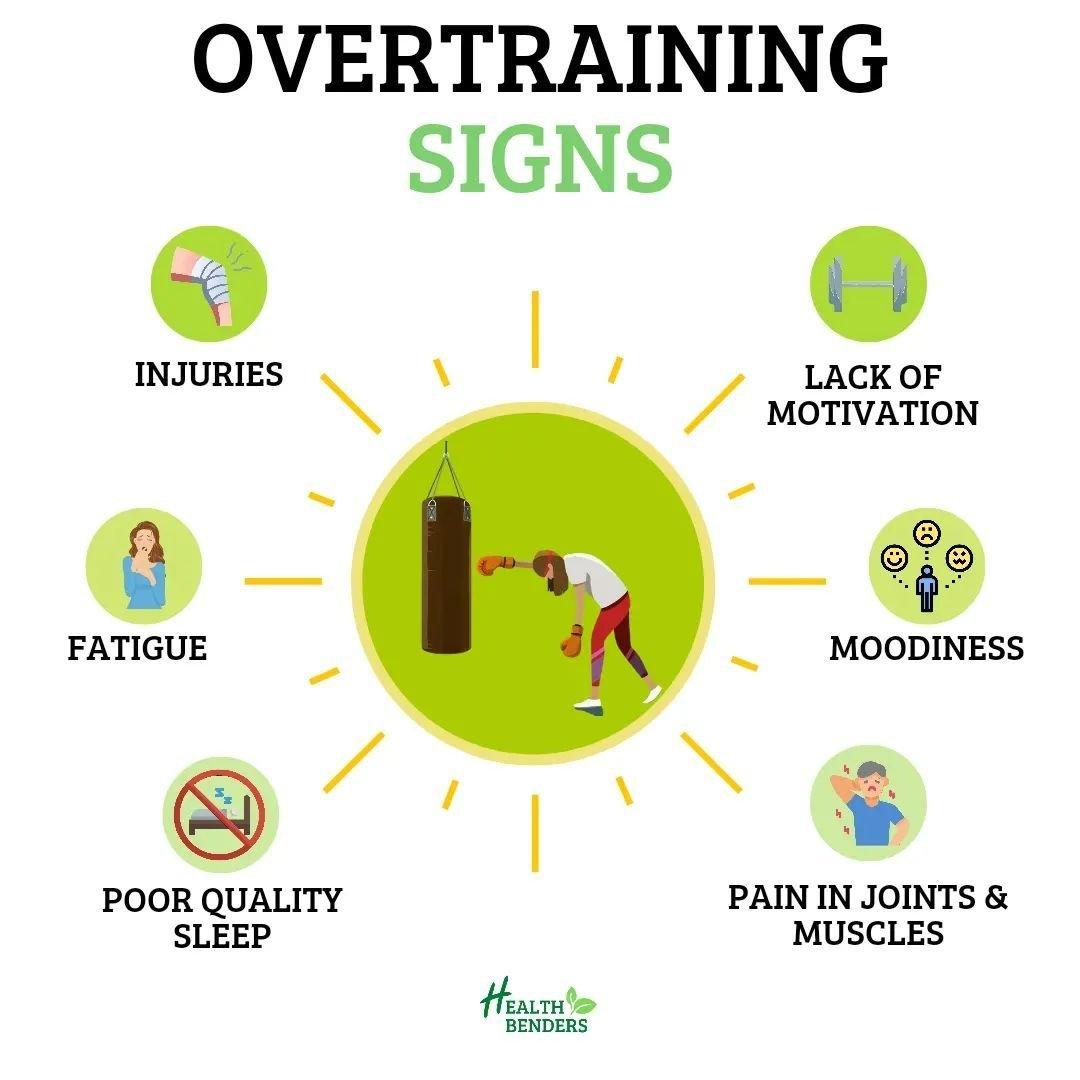
- Persistent Fatigue: Unlike the usual tiredness after a workout, this type of exhaustion lingers, making recovery seem elusive.
- Decreased Performance: If your usual routines feel more challenging and progress stalls or regresses, it may be a sign of overtraining.
- Sleep Disturbances: Struggling to fall asleep or experiencing restless nights can be an indicator that your body is under stress.
- Loss of Motivation: A once-burning passion for exercise might start to flicker, replaced by a sense of obligation or dread.
- Increased Irritability: Emotional instability and mood swings can be a result of physical overexertion.
Understanding these signs can help athletes and fitness enthusiasts strike a balance between ambition and well-being, ensuring that their motivation remains a positive force rather than a detrimental one.
Balancing Ambition and Recovery: Strategies for Sustainable Progress
In the pursuit of excellence, ambition can sometimes lead us down a path where the balance between progress and well-being becomes skewed. Overtraining is a common pitfall that can arise when motivation turns into an obsession, risking both physical health and mental clarity. To foster sustainable progress, it’s crucial to integrate strategies that ensure recovery is as prioritized as ambition. Here are some key approaches:
- Listen to Your Body: Pay attention to signals such as fatigue, persistent soreness, or mood changes. These are often the body’s way of indicating the need for rest.
- Structured Rest Days: Implement regular rest days into your training schedule. These are essential for muscle recovery and overall performance improvement.
- Mindful Training: Incorporate activities like yoga or meditation to promote mental relaxation and maintain a balanced mindset.
- Goal Adjustment: Regularly review and adjust your goals to ensure they remain realistic and achievable, avoiding unnecessary pressure.
By embracing these strategies, you create a harmonious relationship between ambition and recovery, paving the way for a more sustainable journey towards your goals. Balancing these elements not only enhances performance but also enriches the overall experience of personal growth.

Cultivating Healthy Motivation: Practical Tips for Avoiding Burnout
Striking a balance between ambition and well-being is crucial to prevent the slippery slope of burnout. Here are some practical tips to help you nurture a healthy sense of motivation without overextending yourself:
- Set Realistic Goals: Break down larger objectives into smaller, manageable tasks. This not only makes the process less overwhelming but also allows for incremental achievements that boost morale.
- Listen to Your Body: Pay attention to physical and mental signs of fatigue. If you notice persistent tiredness, it might be time to scale back and allow for recovery.
- Embrace Rest Days: Integrate rest periods into your routine as non-negotiable elements. Rest is not a setback; it’s a vital part of progress.
- Maintain Variety: Keep your regimen diverse to avoid monotony and to engage different aspects of your physical and mental faculties.
- Seek Support: Connect with peers or mentors who can offer guidance and perspective. Sharing experiences can provide insights and alleviate pressure.
By adopting these strategies, you can cultivate a sustainable drive that fuels progress without compromising your health and well-being. Remember, the journey is as important as the destination.