In the bustling tapestry of modern life, where the pace often feels relentless and the demands endless, the quest for productivity has become a universal pursuit. Yet, beneath the surface of to-do lists and deadlines lies a secret weapon that many overlook: the power of healthy routines. Like the intricate gears of a well-oiled machine, our daily habits can significantly influence our efficiency and output. This article delves into the symbiotic relationship between maintaining healthy routines and enhancing productivity, exploring how small, deliberate actions can create ripples of positive change in our professional and personal lives. As we unravel this connection, we invite you to consider the transformative potential of your own daily rituals, and how they might just be the key to unlocking your fullest potential.
Morning Rituals: Setting the Tone for a Productive Day
Imagine waking up to a day that unfolds with a sense of calm and purpose. This vision can become reality through the cultivation of morning rituals. By incorporating structured habits into the start of your day, you lay a foundation for increased focus and efficiency. The first few hours after waking are a crucial window where the mind is most receptive. Engaging in healthy routines during this period can harness your brain’s natural capacity for creativity and problem-solving, setting a powerful tone for the hours ahead.
Consider integrating some of these practices into your morning to elevate your productivity:
- Meditation or mindfulness: Even just a few minutes can help center your thoughts and reduce stress.
- Physical activity: Whether it’s yoga, a brisk walk, or a full workout, movement invigorates the body and sharpens the mind.
- Nutritious breakfast: Fuel your body with a balanced meal to sustain energy levels throughout the day.
- Planning: Spend time outlining your priorities and tasks to bring clarity and direction to your work.
These rituals, though simple, have the power to transform your morning into a launchpad for a productive day.

The Role of Nutrition in Sustaining Energy Levels
Nutrition plays a pivotal role in maintaining our energy levels throughout the day. Our bodies require a balanced intake of nutrients to function optimally, much like a well-oiled machine. Carbohydrates, proteins, and fats are the primary sources of energy, and each serves a unique purpose. Carbohydrates provide quick energy, proteins are essential for sustained energy and muscle repair, and healthy fats support long-term energy reserves. Including a variety of these macronutrients in your diet can help prevent energy slumps and keep you feeling vibrant and focused.
- Complex Carbohydrates: Opt for whole grains, fruits, and vegetables to ensure a steady release of energy.
- Lean Proteins: Incorporate foods like fish, chicken, beans, and nuts to support muscle health and energy sustainability.
- Healthy Fats: Avocados, olive oil, and nuts provide essential fatty acids that help in energy storage.
In addition to macronutrients, vitamins and minerals are crucial for converting food into energy. Iron, magnesium, and B vitamins are particularly important in this process. Staying hydrated is also key, as even mild dehydration can lead to fatigue and decreased concentration. By focusing on a balanced diet rich in these elements, you can enhance your body’s ability to maintain high energy levels, thereby boosting productivity and fostering a healthier lifestyle.
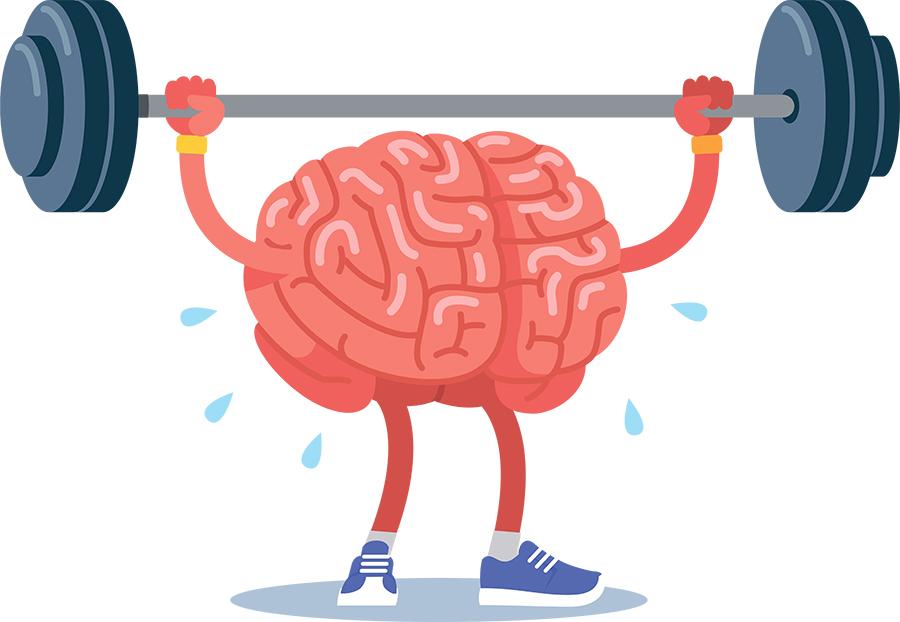
Exercise and Its Impact on Cognitive Function
Incorporating regular physical activity into your daily routine can significantly enhance mental acuity and overall cognitive performance. Engaging in exercises like aerobic workouts, yoga, or even brisk walking stimulates the production of neurochemicals such as dopamine and serotonin, which play a vital role in improving mood and reducing stress. This biochemical boost can enhance brain function, leading to better focus and increased productivity in daily tasks.
- Enhanced Memory: Physical activity has been shown to increase the size of the hippocampus, the part of the brain responsible for memory and learning.
- Improved Concentration: Exercise increases blood flow to the brain, sharpening alertness and enhancing concentration levels.
- Increased Creativity: Regular workouts can lead to improved divergent and convergent thinking, key components of creative problem-solving.
- Reduced Cognitive Decline: Engaging in physical activity regularly is associated with a lower risk of cognitive decline as we age.
By making exercise a non-negotiable part of your daily routine, you not only invest in your physical health but also lay the groundwork for sustained cognitive vitality, ultimately driving higher productivity and a more fulfilling life.

Mindfulness Practices to Enhance Focus and Efficiency
Incorporating mindfulness into daily routines can transform not just how we approach tasks, but how effectively we execute them. By embracing mindfulness, individuals often experience a profound shift in their ability to concentrate and perform tasks with greater precision. This involves engaging in practices that anchor the mind in the present moment, reducing the distractions that frequently derail productivity. Consider integrating the following techniques to boost your focus and efficiency:
- Mindful Breathing: Take a few minutes each day to focus solely on your breath. This simple act can calm the mind and sharpen your attention.
- Body Scan Meditation: Spend time each day scanning your body for tension, allowing you to release stress and improve concentration.
- Single-tasking: Instead of juggling multiple tasks, dedicate your attention to one task at a time, immersing yourself fully in the experience.
By consistently practicing these mindfulness techniques, the mind becomes more adept at filtering out distractions, leading to enhanced clarity and an elevated sense of purpose in daily activities. This focused approach not only fosters efficiency but also nurtures a healthier work-life balance.