In the modern landscape of fitness, where technology and health converge, heart rate monitors have emerged as a ubiquitous accessory among gym-goers and athletes alike. These sleek devices, often strapped to wrists or chests, promise to transform an ordinary cardio session into a data-driven pursuit of peak performance. But as the rhythm of your footsteps syncs with the digital pulse of these monitors, a question lingers: are they truly essential for an effective cardio workout, or merely a sophisticated distraction? This article delves into the heart of the debate, exploring the science behind heart rate monitoring, the potential benefits, and whether they hold the key to unlocking your fitness potential or simply offer peace of mind in a world obsessed with numbers. Join us as we navigate the intricate balance between technology and intuition in the realm of cardiovascular exercise.
Decoding the Heartbeat: Understanding the Role of Heart Rate Monitors in Cardio
In the pulsating realm of cardio workouts, heart rate monitors emerge as the unsung heroes, offering insights that transcend the basic metrics of time and distance. These devices serve as a personal coach, whispering the silent language of your heartbeat, guiding you towards optimal performance. Heart rate monitors are not just about numbers; they provide a dynamic feedback loop that helps tailor workouts to meet individual fitness goals.
- Personalized Training: By tracking your heart rate, you can ensure you’re exercising within your target zone, which maximizes fat burn and improves cardiovascular health.
- Prevent Overtraining: Monitoring your heart rate helps in recognizing when your body needs rest, reducing the risk of injury and burnout.
- Track Progress: Observing changes in your heart rate over time can offer valuable insights into your fitness improvements and endurance levels.
Whether you’re a seasoned athlete or a fitness novice, integrating a heart rate monitor into your routine can transform your cardio sessions into a more effective and informed journey. Understanding the nuances of your heartbeat can make all the difference between a generic workout and a personalized experience that caters to your unique physiological needs.
Balancing Technology and Intuition: How to Gauge Your Cardio Intensity
Finding the sweet spot between digital precision and human instinct is key when determining the intensity of your cardio workouts. While heart rate monitors offer accurate, real-time data, it’s essential to remember that your body has its own ways of signaling exertion. Listen to these natural cues by paying attention to your breath, how much you’re sweating, and how easy or difficult it is to maintain a conversation during exercise. These intuitive markers can be just as effective as any device in gauging your workout intensity.
- Breath Check: If you can talk but not sing, you’re likely in the moderate-intensity zone.
- Sweat Levels: Increased sweating often indicates higher intensity, though it can vary by individual.
- Effort Perception: Rate your exertion on a scale from 1 to 10, aiming for a 6 to 8 for optimal cardio benefits.
By combining the precision of technology with the wisdom of your body’s signals, you can achieve a balanced approach that optimizes your cardio sessions. Whether you’re a tech enthusiast or prefer a more intuitive method, the goal remains the same: to engage in a workout that’s both effective and enjoyable.
Expert Insights: When to Invest in a Heart Rate Monitor for Optimal Results
For fitness enthusiasts seeking to enhance their cardio workouts, understanding when to invest in a heart rate monitor can make a significant difference in achieving optimal results. These devices are most beneficial for individuals who are:
- New to fitness training: Beginners can greatly benefit from heart rate monitors as they help establish a baseline for intensity levels, ensuring workouts are neither too easy nor excessively challenging.
- Training for specific goals: Whether it’s for a marathon, triathlon, or simply improving overall cardiovascular health, these monitors offer precise data to tailor workout intensity to specific objectives.
- Seeking to maximize efficiency: For those with limited time, heart rate monitors can help optimize workout sessions by maintaining the desired intensity, making every minute count.
By offering real-time feedback, heart rate monitors empower users to make informed decisions about their workout intensity, paving the way for more effective and personalized training regimens. Investing in one when these factors align can elevate your fitness journey to new heights.
Practical Tips for Choosing the Right Heart Rate Monitor for Your Fitness Goals
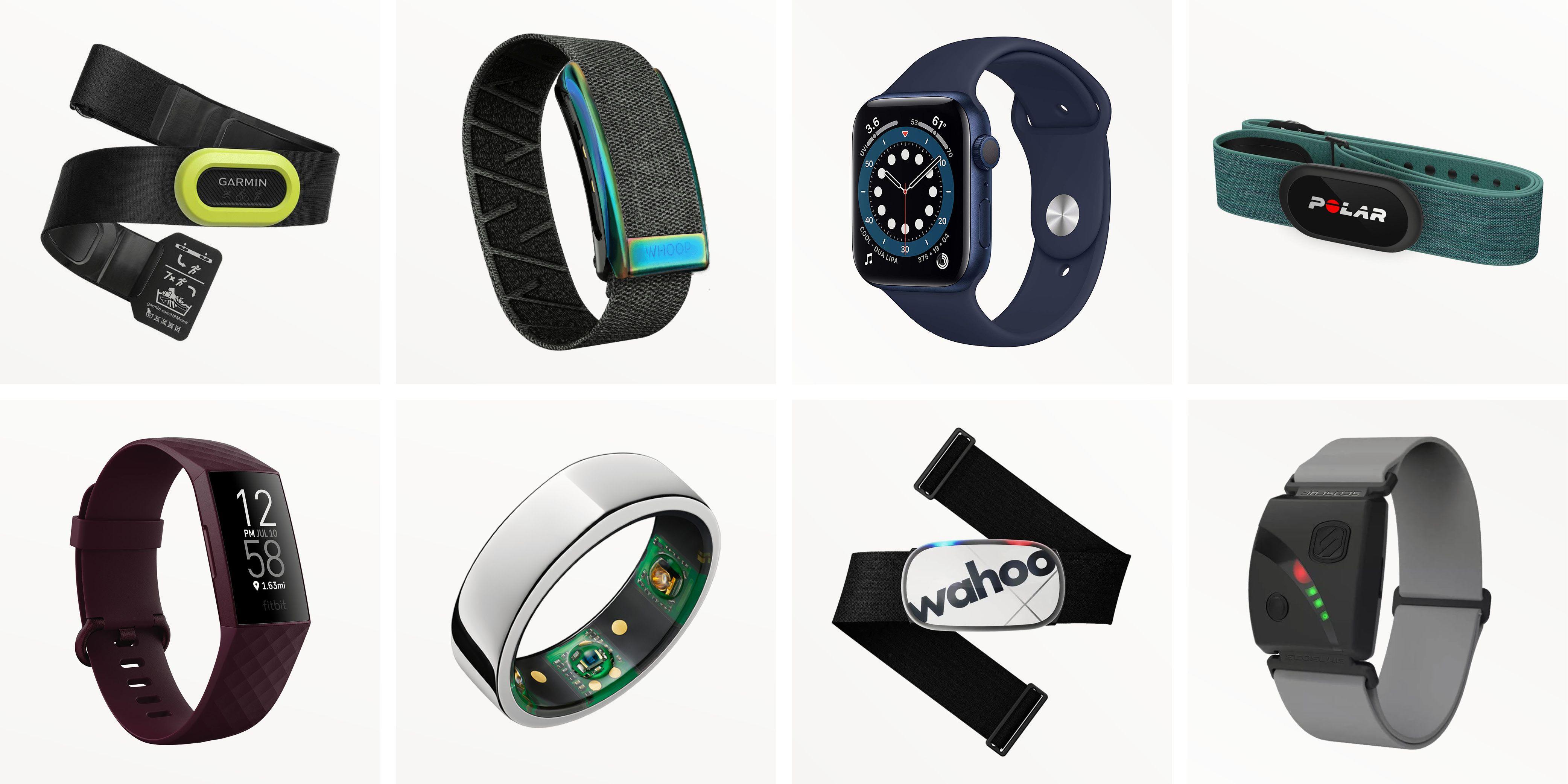
When it comes to selecting the ideal heart rate monitor, it’s essential to align the device’s features with your personal fitness objectives. Start by considering the type of workouts you engage in most frequently. If you’re a runner or cyclist, a chest strap monitor might offer the precision you need, whereas a wrist-based device could be more suitable for those who prefer gym workouts or yoga. Compatibility is another crucial factor; ensure the monitor seamlessly integrates with your smartphone or fitness apps for real-time data tracking and analysis.
- Accuracy: Opt for monitors known for their reliable heart rate tracking, especially if you’re training in heart rate zones.
- Comfort: Choose a device that you can wear comfortably during long workouts, as discomfort can deter consistent use.
- Battery Life: Consider how often you’ll need to charge the device, particularly if you plan on using it for extended sessions or back-to-back workouts.
- Budget: Determine how much you’re willing to spend and explore models that offer the best features within your price range.
Ultimately, the right heart rate monitor should enhance your training efficiency by providing actionable insights without complicating your routine. Balancing these factors will help you make an informed choice that complements your fitness journey.