In the bustling world of fitness trends, where new workouts emerge as quickly as they fade, one acronym has steadily risen to prominence: HIIT, or High-Intensity Interval Training. As the dawn of modern exercise routines, HIIT promises not only a leaner physique but also a heartier heart, weaving together the twin goals of weight loss and cardiovascular health. Imagine a workout that fits into the busiest of schedules yet delivers results that resonate beyond the gym. This is the allure of HIIT, a dynamic approach that has captivated fitness enthusiasts and novices alike. In this article, we delve into the science and the sweat, exploring how HIIT can transform not just our bodies but also our perceptions of what it means to be fit and healthy.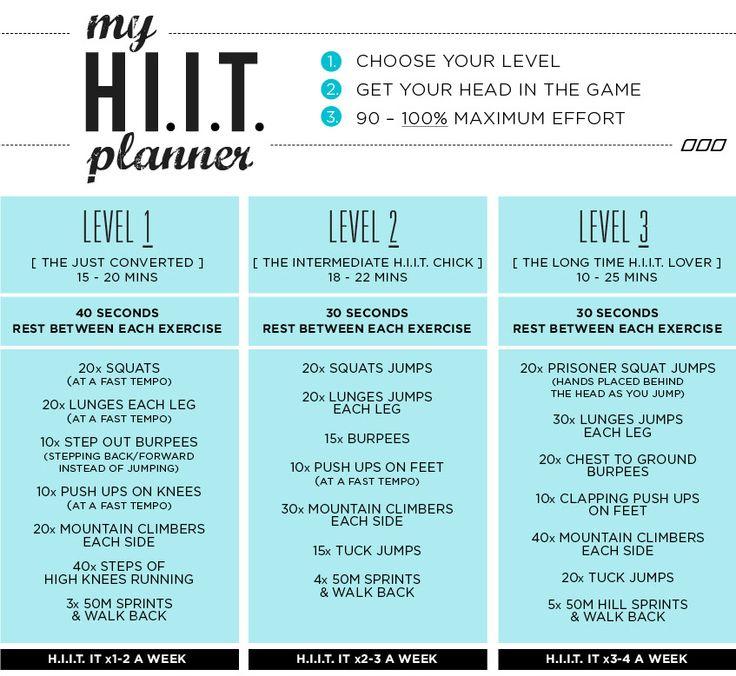
Unlocking the Power of HIIT for Effective Weight Loss
Incorporating High-Intensity Interval Training (HIIT) into your fitness routine can revolutionize your approach to weight loss. By alternating between short bursts of intense activity and periods of rest or low-intensity exercise, HIIT workouts maximize calorie burn in a relatively short time. This efficient method not only boosts your metabolism but also enhances your body’s ability to burn fat long after the workout is over, thanks to the afterburn effect known as excess post-exercise oxygen consumption (EPOC).
- Time Efficiency: HIIT workouts can be as short as 15-30 minutes, making them ideal for busy schedules.
- Increased Caloric Burn: The intense nature of HIIT means more calories are burned in a shorter time compared to traditional steady-state cardio.
- Improved Cardiovascular Health: Regular HIIT sessions enhance heart health by improving oxygen consumption and blood circulation.
Beyond weight loss, HIIT significantly improves cardiovascular fitness by challenging your heart and lungs to work more efficiently. The dynamic nature of these workouts not only strengthens the heart but also increases lung capacity, providing a comprehensive boost to overall health. By adopting HIIT, you’re not just shedding pounds; you’re building a stronger, more resilient body.
Boosting Cardiovascular Health Through Intense Intervals
High-Intensity Interval Training, or HIIT, has revolutionized the approach to cardiovascular health and weight management. By alternating between short bursts of intense activity and periods of rest or low-intensity exercise, HIIT not only burns calories efficiently but also significantly improves heart function. This dynamic form of exercise can be tailored to suit any fitness level, making it accessible and beneficial for a broad audience. The cardiovascular benefits are multifaceted and include improved heart rate variability, increased VO2 max, and enhanced blood circulation.
Engaging in HIIT workouts can lead to substantial weight loss due to the afterburn effect, scientifically known as excess post-exercise oxygen consumption (EPOC). This phenomenon allows the body to continue burning calories long after the workout has ended. Key advantages of incorporating HIIT into your routine include:
- Increased Metabolic Rate: HIIT can elevate your metabolism for hours post-exercise.
- Time Efficiency: Quick, intense sessions fit into the busiest of schedules.
- Improved Insulin Sensitivity: Regular HIIT workouts can help regulate blood sugar levels.
Incorporating HIIT into your exercise regime not only helps in shedding unwanted pounds but also supports a robust cardiovascular system, offering a double-edged sword against common health challenges.
Mastering HIIT: Techniques for Maximum Fitness Gains
High-Intensity Interval Training, commonly known as HIIT, is a powerful tool for those seeking to enhance their fitness journey, particularly in the realms of weight loss and cardiovascular health. HIIT workouts are characterized by short bursts of intense exercise followed by brief periods of rest or low-intensity activity. This method not only boosts your metabolism but also helps burn calories even after the workout is done, a phenomenon known as the “afterburn effect” or excess post-exercise oxygen consumption (EPOC). Incorporating HIIT into your fitness routine can lead to significant improvements in body composition by reducing fat mass while maintaining lean muscle, making it a favorite among fitness enthusiasts.
Beyond weight loss, HIIT is exceptionally beneficial for cardiovascular fitness. The intense intervals push your heart to pump blood more efficiently, improving heart health and endurance. Over time, HIIT can help lower blood pressure and improve cholesterol levels. Here are some key techniques to maximize your HIIT sessions:
- Interval Variation: Mix up your intervals with different exercises to keep your body challenged.
- Progressive Overload: Gradually increase the intensity or duration of your intervals as your fitness improves.
- Active Recovery: Use low-intensity exercises during rest periods to maintain an elevated heart rate.
- Form Focus: Prioritize proper form to prevent injury and maximize effectiveness.
With its time-efficient nature and wide-ranging benefits, HIIT stands as a versatile approach to achieving both weight loss and cardiovascular goals, suitable for beginners and seasoned athletes alike.
Crafting the Perfect HIIT Routine for Your Fitness Goals
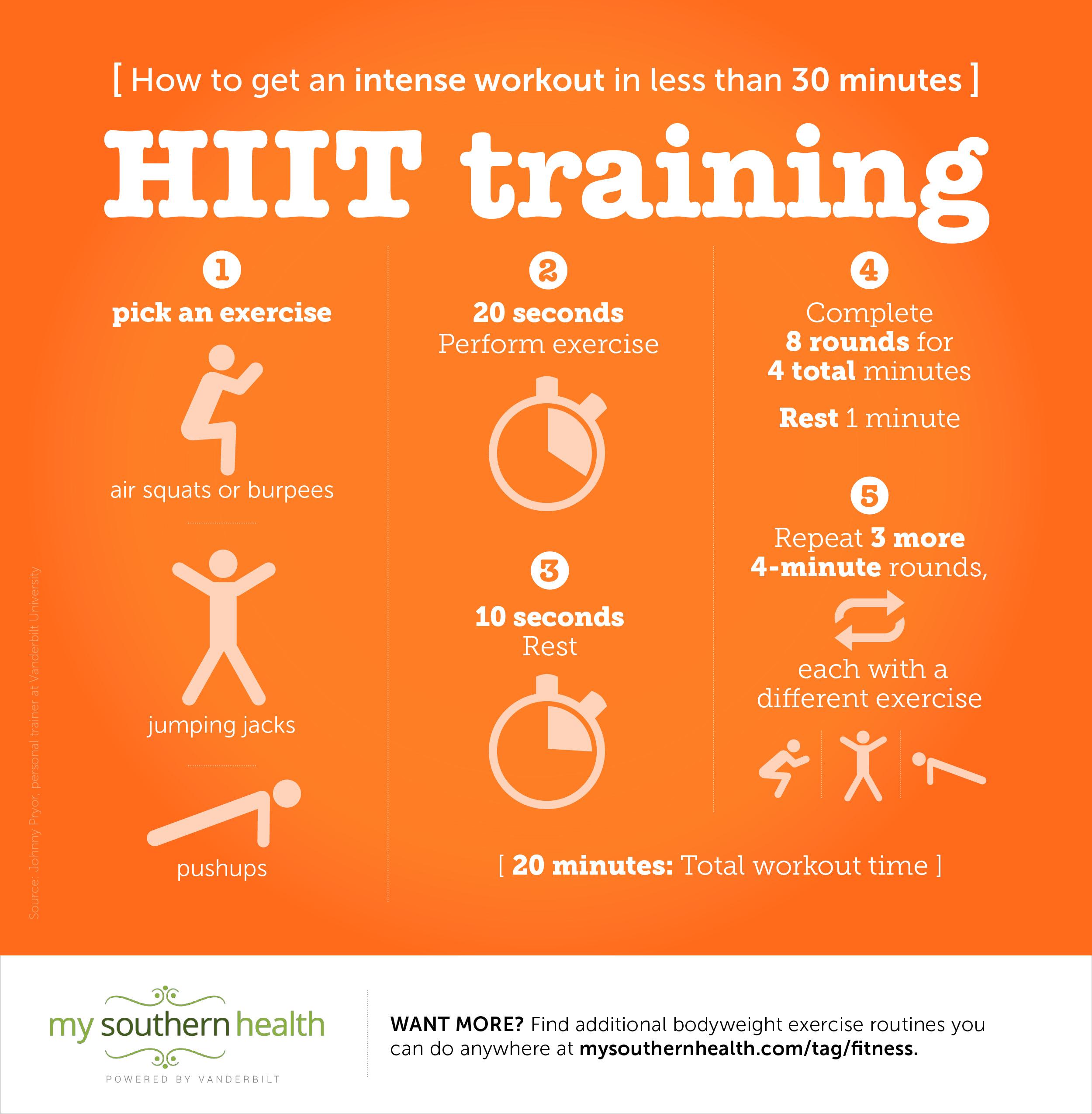
Designing an effective HIIT routine requires a balance of intensity and rest, tailored to your individual fitness goals. Start by identifying your primary objectives, whether it’s shedding pounds or enhancing cardiovascular health. A successful HIIT routine often includes a variety of exercises that target different muscle groups, ensuring a comprehensive workout. Consider incorporating exercises such as:
- Burpees
- Jump squats
- Mountain climbers
- High knees
For those focusing on weight loss, it’s crucial to maintain a high intensity throughout the workout, aiming for short bursts of maximum effort followed by brief recovery periods. This approach not only accelerates calorie burn but also boosts your metabolism long after the workout is over. Conversely, if your goal is to improve cardiovascular fitness, you might want to adjust the intensity and duration of each interval to challenge your heart and lungs progressively. Regardless of your focus, consistency and gradual progression are key to reaping the full benefits of HIIT.