In the intricate dance of human experience, where the mind and body intertwine, lies a powerful yet often overlooked connection: the relationship between physical activity and emotional resilience. Imagine the human spirit as a finely tuned orchestra, where each instrument represents an aspect of our being. The strings of our emotions, the percussion of our thoughts, and the woodwinds of our physical selves all play in harmony to create the symphony of our lives. In this composition, physical activity emerges as a vital conductor, orchestrating a balance that fortifies our emotional core. This article embarks on a journey through this fascinating interplay, exploring how the rhythms of movement can bolster our ability to weather life’s storms with grace and grit. As we delve into the science and stories behind this connection, we uncover the ways in which engaging the body can indeed nurture the spirit, crafting a resilience that resonates through the challenges and triumphs of our daily lives.
The Science Behind Movement and Mood
At the core of our emotional well-being lies a fascinating interplay between the body and mind, driven by the power of physical activity. Scientific studies reveal that engaging in regular exercise can lead to the release of endorphins, often referred to as the “feel-good” hormones. These natural mood lifters help in reducing stress and anxiety levels, thereby enhancing emotional resilience. Moreover, exercise stimulates the production of neurotransmitters like serotonin and dopamine, which play crucial roles in regulating mood and promoting a sense of happiness.
Research highlights several benefits of incorporating physical activity into daily routines:
- Enhanced cognitive function: Regular movement boosts brain health and improves memory and concentration.
- Better sleep quality: Exercise can lead to deeper, more restful sleep, which is essential for emotional stability.
- Increased self-esteem: Achieving fitness goals can boost confidence and provide a sense of accomplishment.
By understanding these mechanisms, we can harness the transformative potential of movement to foster emotional resilience and improve overall mental health.

Harnessing Exercise for Mental Fortitude
In a world where stress and uncertainty often dominate our lives, the link between physical activity and emotional resilience offers a beacon of hope. Regular exercise has been shown to release endorphins, the body’s natural mood elevators, which can significantly enhance one’s ability to cope with stress and adversity. Engaging in physical activities such as running, yoga, or even a brisk walk can help clear the mind, promote a sense of calm, and build mental strength. This fortification of the mind through movement doesn’t just alleviate anxiety temporarily but can also lead to lasting changes in the brain, fostering improved emotional regulation and a more positive outlook.
Consider incorporating a variety of activities into your routine to maximize benefits. Here are some options to explore:
- Cardiovascular exercises like cycling or swimming to boost heart health and release pent-up stress.
- Strength training to build not only muscle but also a sense of empowerment and resilience.
- Mindful practices such as tai chi or yoga to enhance focus and inner peace.
- Team sports that foster social connections and provide a sense of community support.
By diversifying your physical activity regimen, you not only improve your physical health but also cultivate a resilient mindset capable of weathering life’s storms with grace and grit.

Building Emotional Strength Through Physical Challenges
Engaging in physical challenges not only sculpts the body but also fortifies the mind, fostering a deep-seated emotional resilience. When we push our physical boundaries, we inadvertently strengthen our mental endurance. The act of overcoming physical hurdles such as long-distance running, weightlifting, or even mastering a complex yoga pose, mirrors the resilience needed to navigate life’s emotional storms. Each drop of sweat and each deep breath serves as a testament to our ability to endure, adapt, and overcome.
- Improved Stress Management: Regular physical activity releases endorphins, which are natural mood lifters, helping to alleviate stress and anxiety.
- Enhanced Self-Esteem: Achieving fitness milestones boosts confidence, reinforcing a positive self-image and a sense of accomplishment.
- Increased Mental Toughness: Physical challenges train the mind to persevere, cultivating patience and determination.
- Emotional Release: Physical exertion provides a healthy outlet for releasing pent-up emotions, promoting emotional clarity.
By embracing physical challenges, we cultivate a powerful synergy between body and mind, empowering us to face emotional challenges with a renewed sense of vigor and strength.
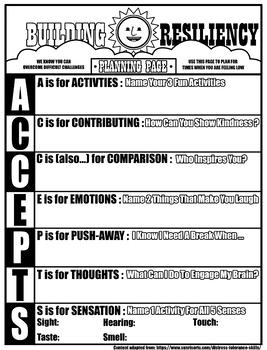
Practical Tips for Incorporating Resilience-Boosting Activities
To seamlessly weave resilience-boosting activities into your daily routine, consider integrating small yet impactful habits that align with your lifestyle. Start by identifying physical activities you enjoy, as this increases the likelihood of consistency. Whether it’s a brisk morning walk, an invigorating yoga session, or a spontaneous dance break, the key is to make movement a natural part of your day.
- Set achievable goals: Begin with short, manageable sessions and gradually increase intensity and duration. This approach prevents burnout and keeps motivation high.
- Embrace variety: Incorporating different types of exercises not only prevents boredom but also works various muscle groups, enhancing overall physical and mental resilience.
- Mindful engagement: Focus on your body’s sensations and movements during exercise. This mindfulness can enhance the emotional benefits of physical activity, making you more attuned to your emotional state.
Remember, the journey to building resilience is a personal one, and what works for someone else might not work for you. Experiment with different activities and find what makes you feel empowered and balanced.
Concluding Remarks
In the intricate dance of life, where challenges and triumphs waltz in an ever-changing rhythm, the connection between physical activity and emotional resilience emerges as a powerful partnership. As we lace up our shoes and step into movement, we not only fortify our bodies but also weave a resilient tapestry within our minds. The science speaks volumes, yet it is the personal journeys, the quiet moments of clarity after a run or the steady calm of a post-yoga breath, that truly illuminate this bond. As you embark on your own path, remember that each step taken, each weight lifted, and each pose held is more than just a physical endeavor; it is a nurturing of the spirit, a testament to the resilience that lies within. So, let us embrace this connection, allowing it to guide us through life’s ebbs and flows, knowing that with every move, we are crafting a stronger, more resilient self.