In a world where health and wellness trends often shift with the seasons, the allure of achieving fitness goals remains a constant aspiration for many. Yet, the path to a stronger, healthier self is frequently paved with questions and uncertainties, not least of which is the role of dietary supplements. As shelves brim with promises of enhanced performance and expedited results, a crucial question emerges: Is it possible to reach your fitness pinnacle without the aid of these supplemental aids? This article delves into the heart of this debate, exploring the potential of natural nutrition, disciplined training, and the body’s remarkable adaptability. By examining both the promises and pitfalls of a supplement-free journey, we aim to shed light on whether the power to transform truly lies within, or if modern enhancements are a necessary ally in the quest for fitness excellence.
Understanding the Role of Supplements in Fitness
In the realm of fitness, supplements have carved out a significant niche, often touted as essential companions on the journey to physical prowess. However, understanding their role is crucial for those seeking to achieve their fitness goals. Supplements can provide convenient access to nutrients that may be lacking in one’s diet, supporting muscle recovery, enhancing performance, and boosting energy levels. They are particularly beneficial for those with specific dietary restrictions or increased nutritional needs due to intense training regimens. Nevertheless, it’s important to recognize that they are not a substitute for a well-rounded diet and consistent exercise.
For individuals aiming to reach their fitness milestones without relying on supplements, focusing on the fundamentals is key. A balanced diet rich in whole foods can provide essential nutrients naturally. Consider the following components of a supplement-free fitness strategy:
- Nutrition: Prioritize nutrient-dense foods like lean proteins, whole grains, fruits, and vegetables.
- Hydration: Maintain adequate water intake to support metabolic functions and physical performance.
- Rest: Ensure sufficient sleep and recovery time to allow the body to repair and grow stronger.
- Consistency: Develop a regular exercise routine that includes both cardiovascular and strength-training activities.
Ultimately, while supplements can offer benefits, they are not mandatory for achieving fitness success. By focusing on these core principles, individuals can progress toward their goals naturally and sustainably.
Exploring Natural Alternatives for Muscle Growth
In a world where the market is flooded with muscle-building supplements promising miraculous results, it’s refreshing to discover that nature offers a plethora of alternatives that can be just as effective. These natural methods, often overlooked, can help you build muscle and achieve your fitness goals without relying on synthetic products. Consider incorporating the following natural alternatives into your fitness routine:
- Whole Foods Nutrition: Prioritize a diet rich in whole foods like lean proteins, whole grains, fruits, and vegetables. These foods provide essential nutrients and amino acids necessary for muscle repair and growth.
- Regular Resistance Training: Engage in consistent strength training exercises that challenge your muscles. This can include bodyweight exercises, free weights, or resistance bands to stimulate muscle growth naturally.
- Adequate Rest and Recovery: Allow your body time to recover with sufficient sleep and rest days. This is crucial for muscle regeneration and growth, often underestimated in the quest for muscle gain.
- Hydration: Maintain proper hydration levels to support muscle function and recovery. Water is essential for nutrient transportation and energy production during workouts.
These strategies not only support muscle growth but also promote overall health and well-being. By focusing on these natural approaches, you can work towards your fitness goals while maintaining a balanced and sustainable lifestyle.
Crafting a Balanced Diet for Optimal Performance
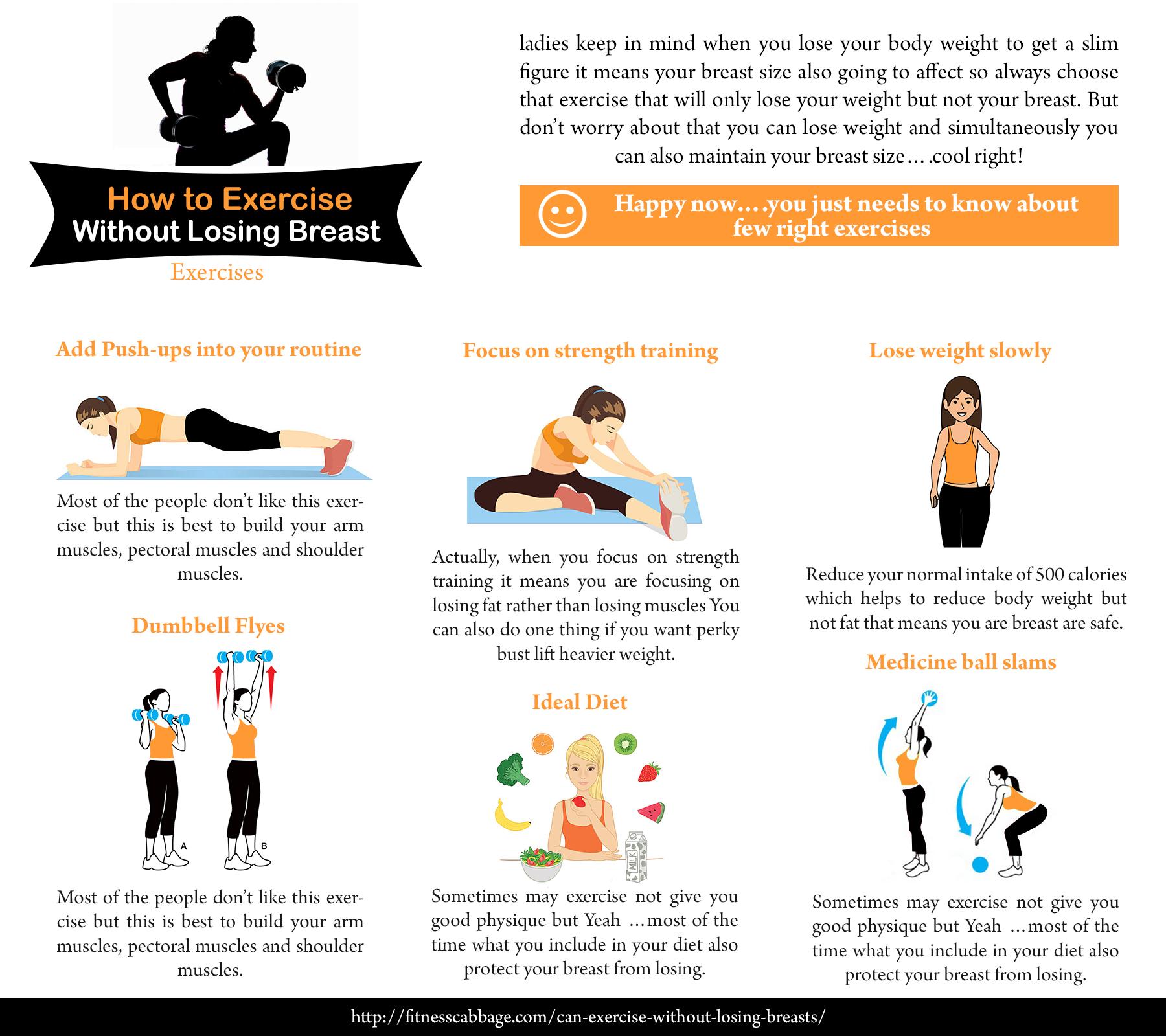
In the pursuit of fitness goals, a well-crafted diet plays a pivotal role, often rivaling the effectiveness of any supplement. A balanced diet is not just about caloric intake but about providing your body with the essential nutrients it needs to perform at its best. Macronutrients such as proteins, carbohydrates, and fats are the building blocks of energy and muscle repair. Ensuring that you consume the right proportions can help enhance recovery, maintain energy levels, and support muscle growth.
- Proteins: Opt for lean sources like chicken, fish, legumes, and tofu to repair and build muscles.
- Carbohydrates: Whole grains, fruits, and vegetables provide sustained energy and are vital for high-intensity workouts.
- Fats: Healthy fats from avocados, nuts, and olive oil aid in hormone production and nutrient absorption.
In addition to macronutrients, micronutrients like vitamins and minerals should not be overlooked. They play a crucial role in energy production and muscle function. By focusing on a diverse and colorful plate, rich in whole foods, you can naturally meet your nutritional needs without the dependency on supplements. Ultimately, achieving fitness goals is about consistency and a personalized approach to nutrition that supports your unique lifestyle and activity level.
Incorporating Effective Exercise Routines for Success
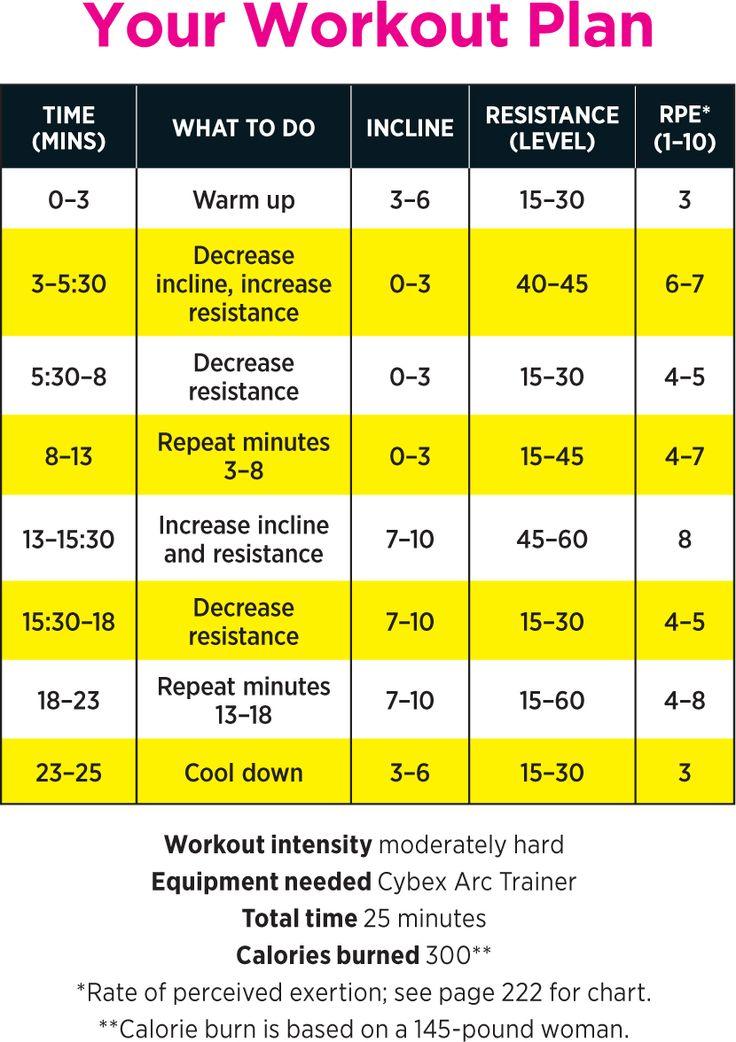
Embracing a consistent exercise regimen can serve as a cornerstone for achieving fitness goals, even without the crutch of supplements. A well-rounded routine includes a mix of cardio, strength training, and flexibility exercises. To design a balanced program, consider incorporating the following elements:
- Cardiovascular Workouts: Engage in activities like running, cycling, or swimming to improve heart health and increase stamina.
- Strength Training: Use bodyweight exercises, resistance bands, or free weights to build muscle and boost metabolism.
- Flexibility Exercises: Include yoga or pilates to enhance range of motion and prevent injury.
By focusing on these core components, you can create a sustainable and effective exercise routine that not only propels you toward your fitness aspirations but also promotes overall well-being. Remember, the key to success lies in consistency and gradual progression, allowing your body to adapt and thrive naturally.