In the world of fitness, where dedication meets discipline and every choice can tip the scales toward progress or setback, the question of alcohol consumption emerges as a topic of spirited debate. For many, a glass of wine or a celebratory cocktail is a cherished ritual, a social lubricant that complements the rhythm of life. Yet, for fitness enthusiasts committed to peak performance and optimal health, the decision to indulge in alcohol is fraught with complexity. This article delves into the nuanced relationship between alcohol and fitness, exploring whether the occasional drink is a harmless pleasure or a hindrance to achieving one’s fitness goals. Through a balanced lens, we examine the science, the myths, and the personal stories that illuminate this intricate dance between indulgence and aspiration.
Balancing Booze and Brawn Exploring Alcohols Impact on Muscle Growth
In the intricate dance of muscle growth and recovery, the role of alcohol often takes center stage, inviting a myriad of opinions. On one hand, indulging in a drink or two can serve as a social lubricant, enhancing the camaraderie often found in fitness communities. However, it’s essential to consider the potential impact on your hard-earned gains. Alcohol can interfere with protein synthesis, a critical process for muscle repair and growth, due to its diuretic properties and its tendency to disrupt sleep patterns. Furthermore, it can deplete the body of vital nutrients like vitamins and minerals, which are essential for maintaining peak physical performance.
- Protein Synthesis: Alcohol consumption may reduce the efficiency of protein synthesis, hampering muscle recovery.
- Hormonal Balance: It can affect hormone levels, particularly testosterone, which plays a significant role in muscle development.
- Caloric Intake: Alcohol is calorie-dense, providing “empty” calories that can lead to unwanted weight gain if not accounted for in your diet.
- Hydration: Its diuretic effect can lead to dehydration, impacting workout performance and recovery.
While it may not be necessary to completely eliminate alcohol from your lifestyle, moderation and mindfulness are key. Fitness enthusiasts should weigh the social benefits against the physiological drawbacks, making informed decisions that align with their personal fitness goals. After all, the occasional toast to success might just be another step on the path to a well-balanced life.
The Caloric Quandary Unveiling Alcohols Hidden Nutritional Costs
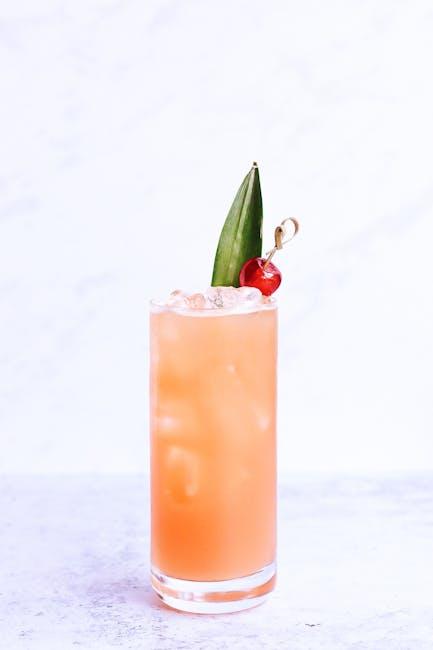
When considering the nutritional implications of alcohol consumption, it’s crucial to recognize its hidden caloric content. Often dubbed “empty calories,” alcoholic beverages contribute to caloric intake without offering any substantial nutritional benefits. For fitness enthusiasts, this presents a unique challenge, as the consumption of alcohol can subtly derail their dietary goals. Here’s what you need to keep in mind:
- High Caloric Content: Alcohol contains approximately 7 calories per gram, which is nearly double that of carbohydrates and proteins, each at 4 calories per gram.
- Metabolism Disruption: The body prioritizes metabolizing alcohol over other nutrients, potentially slowing down fat and carbohydrate metabolism.
- Impact on Recovery: Alcohol can impair muscle recovery and growth, crucial aspects for anyone engaging in regular physical training.
- Nutrient Absorption: Regular alcohol consumption may hinder the absorption of vital nutrients, such as vitamins and minerals, which are essential for optimal physical performance.
While the occasional indulgence may not drastically affect one’s fitness journey, understanding these hidden nutritional costs can help individuals make more informed choices. Balancing alcohol consumption with fitness goals requires a keen awareness of its impact on overall caloric intake and bodily functions.
Sobriety and Strength Crafting a Fitness Plan with Minimal Alcohol
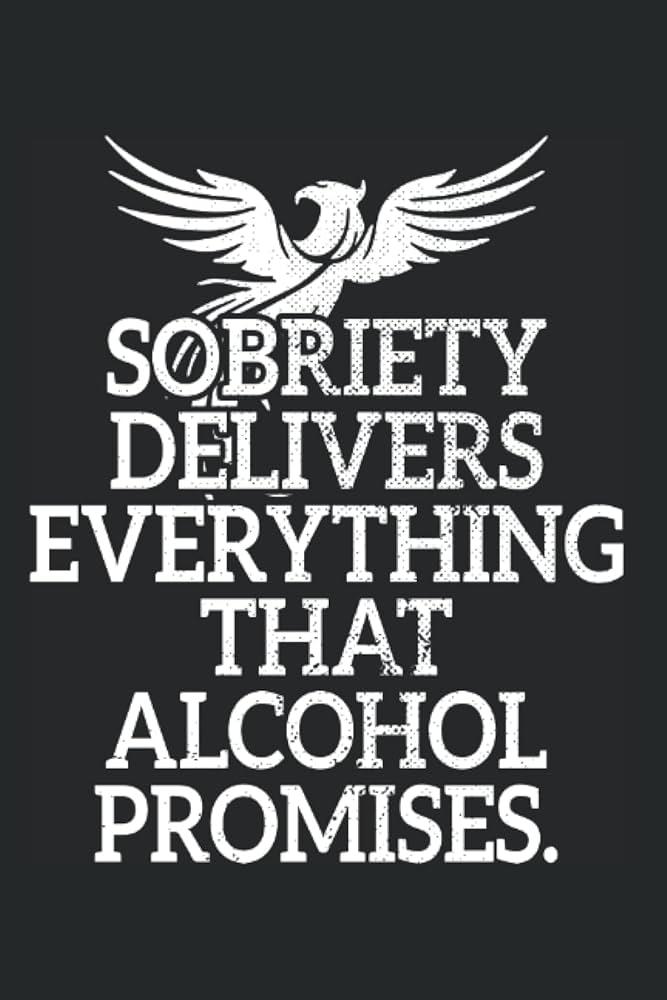
For those dedicated to sculpting their bodies and achieving peak physical performance, the question of alcohol consumption often arises. Crafting a fitness plan that harmonizes with your lifestyle is crucial, and understanding how alcohol fits into this equation can be enlightening. While some fitness enthusiasts opt for complete abstinence, others find a balanced approach more sustainable.
Consider these factors when integrating alcohol into your fitness routine:
- Recovery Impact: Alcohol can impede muscle recovery and hydration, essential components of any fitness regimen.
- Caloric Content: Alcoholic beverages often contain empty calories, which might counteract your caloric intake goals.
- Social Interactions: Occasional social drinking might enhance social bonds, potentially improving mental well-being and motivation.
Ultimately, the decision is personal and should align with individual fitness goals and lifestyle preferences.

Mindful Moderation Tips for Enjoying Alcohol Without Derailing Fitness Goals
Striking a balance between enjoying a social drink and maintaining fitness goals requires mindfulness and intention. Here are some practical tips to help you savor your favorite libations without compromising your workout gains:
- Set Clear Boundaries: Decide in advance how much you plan to drink. This can prevent overindulgence and help you stay within your calorie limits.
- Opt for Lower-Calorie Options: Choose drinks like vodka soda or a light beer, which tend to have fewer calories compared to sugary cocktails or heavy ales.
- Hydrate Mindfully: For every alcoholic drink, have a glass of water. This helps to reduce the amount of alcohol consumed and keeps you hydrated.
- Pace Yourself: Enjoy your drink slowly. Sipping rather than gulping can help you appreciate the flavors and extend the experience.
- Plan Your Meals: Ensure your meals are balanced and nutritious on days you plan to drink. This helps to offset the empty calories from alcohol.
By incorporating these strategies, you can relish your social outings while staying committed to your fitness journey. Remember, the key is moderation and making mindful choices that align with your health objectives.