In the bustling world of fitness, where clanging iron and whirring machines coexist in harmony, a timeless debate persists among newcomers eager to sculpt their physiques: should they embark on their journey with the steadfast support of machines or embrace the liberating challenge of free weights? As the gym floor becomes a battleground of choices, each option presents its own set of advantages and pitfalls, leaving beginners to navigate this complex landscape with caution and curiosity. This article seeks to unravel the intricacies of both approaches, offering insights to help fledgling fitness enthusiasts make informed decisions tailored to their individual needs and aspirations. Whether you’re drawn to the structured guidance of machines or the dynamic versatility of free weights, understanding the foundational principles of each can set the stage for a rewarding and effective fitness journey.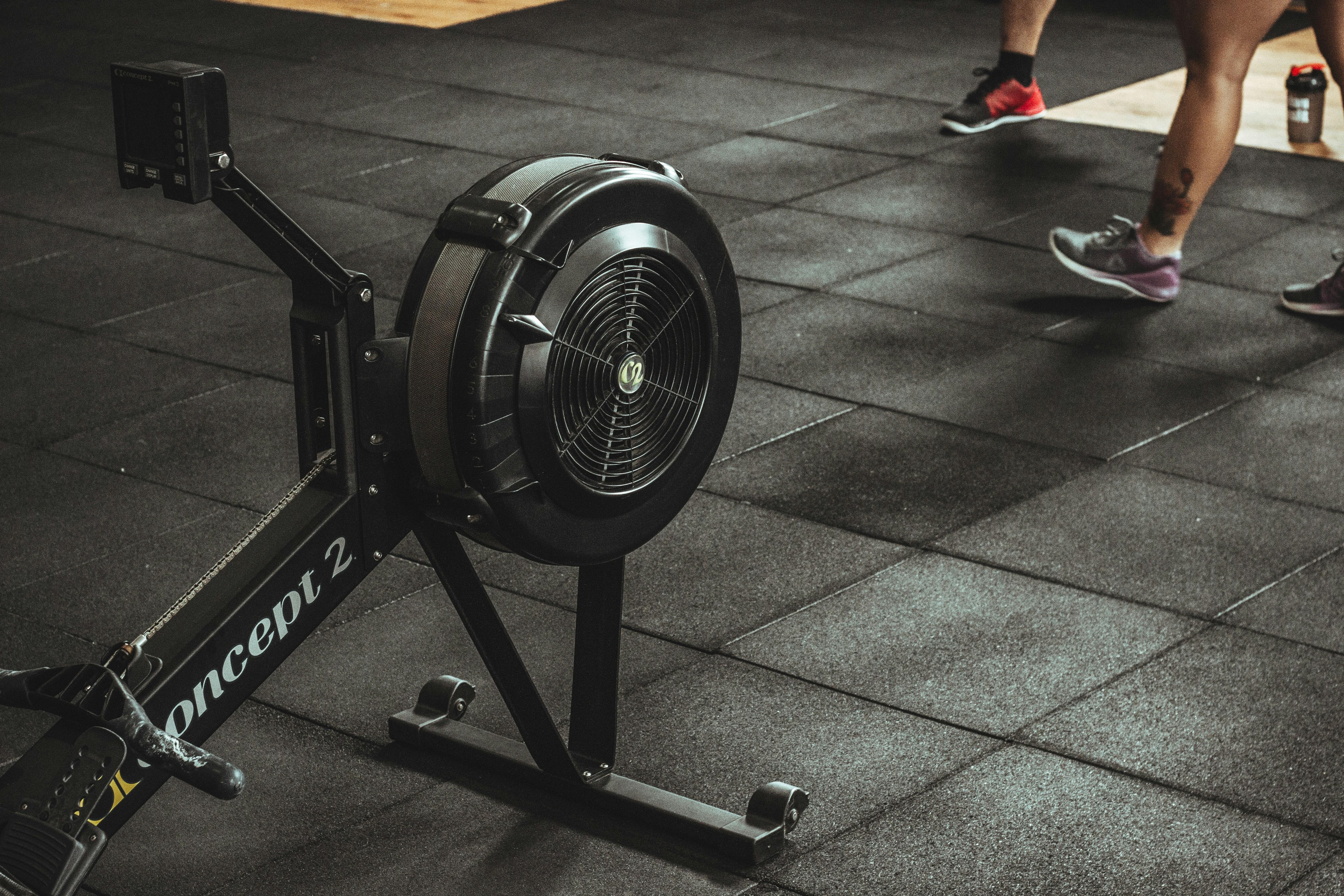
Navigating the Fitness Landscape: Machines vs. Free Weights
Embarking on a fitness journey often presents a crossroads: should one gravitate towards the comfort of machines or the freedom of free weights? Each has its unique benefits and challenges, shaping the trajectory of your workout experience. Machines, often regarded as the training wheels of the gym, provide stability and support. They guide you through a fixed range of motion, which can be beneficial for those new to exercise. The built-in safety features make them an attractive choice for beginners, reducing the risk of injury while allowing focus on form and technique.
- Machines offer:
– Guided motion
– Reduced injury risk
– Targeted muscle isolation - Free Weights provide:
– Greater range of motion
– Improved balance and coordination
– Engaged stabilizing muscles
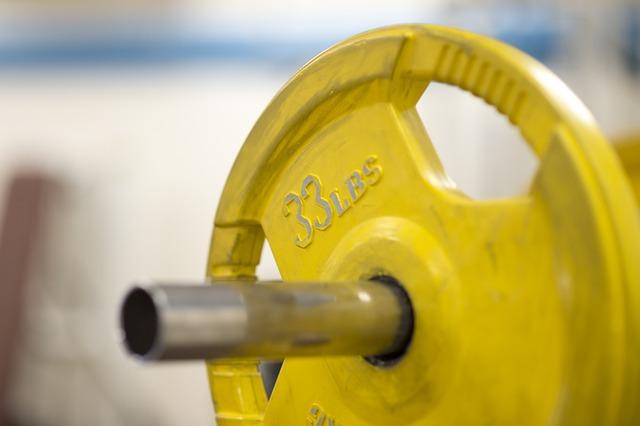
On the flip side, free weights unleash a realm of versatility and functional movement. They mimic real-world activities, promoting core strength and balance as they engage multiple muscle groups. While they require a bit more skill and confidence, the payoff is a more comprehensive workout that can adapt as you grow stronger. Ultimately, the choice between machines and free weights depends on your individual goals, preferences, and comfort level, with each offering a distinct path toward fitness mastery.
Understanding Safety and Form: A Beginners Guide
Embarking on a fitness journey often brings with it the conundrum of choosing between machines and free weights. Both have their merits, and understanding these can significantly impact a beginner’s progress and safety. Machines offer a structured path for novices, providing guided movements that help maintain proper form. This can be particularly beneficial for those who are just starting and may not yet have the muscle memory to execute exercises safely. They reduce the risk of injury by stabilizing the body, allowing individuals to focus on specific muscle groups without worrying about balance.
- Guided Movements: Ideal for learning the basics.
- Reduced Injury Risk: Stability aids in maintaining form.
- Targeted Muscle Training: Focus on specific areas.
On the other hand, free weights provide a dynamic approach, encouraging the development of balance and coordination. While they require a more nuanced understanding of form, they engage multiple muscle groups and mimic real-world movements. This can lead to improved functional strength and overall fitness. Beginners who opt for free weights should consider starting with lighter loads and perhaps seeking guidance from a trainer to master the techniques.
- Functional Strength: Engages multiple muscles.
- Improved Coordination: Enhances balance and stability.
- Versatile Workouts: Offers a wide range of exercises.
Tailoring Workouts: Personal Goals and Equipment Choices
In the journey of crafting a workout routine that aligns with personal aspirations, understanding the nuances of equipment selection is crucial. The choice between machines and free weights can significantly influence the trajectory of one’s fitness progress. Machines offer guided movement, providing stability and minimizing the risk of injury, making them an appealing choice for beginners who are still acquainting themselves with proper form. On the other hand, free weights foster functional strength and allow for a more natural range of motion, engaging stabilizing muscles that might be neglected by machines.
- Personal Goals: If the aim is to build foundational strength with a lower risk of injury, machines might be the ideal starting point. Conversely, those looking to improve balance and coordination might gravitate towards free weights.
- Equipment Availability: Access to a gym equipped with a variety of machines can simplify the initial phase of strength training. However, free weights can be versatile, allowing workouts in more flexible environments.
- Learning Curve: Machines can be more intuitive, while free weights may require a bit more learning and practice to master the correct form.
Ultimately, the decision hinges on the individual’s comfort level and objectives. Mixing both methods can offer a balanced approach, ensuring comprehensive development while keeping the workouts dynamic and engaging.
Expert Recommendations: Building a Balanced Fitness Routine
When embarking on a fitness journey, understanding whether to start with machines or free weights can be pivotal in creating a balanced routine. Fitness experts often suggest that beginners focus on machines initially due to their structured and guided nature. Machines can help in developing proper form and technique, minimizing the risk of injury. They are particularly beneficial for isolating specific muscle groups and providing stability, which is crucial for those unfamiliar with weight training.
On the other hand, free weights offer a different set of advantages that can be invaluable as one progresses. They promote functional strength by engaging multiple muscle groups and stabilizing muscles, enhancing coordination and balance. This method encourages a more versatile workout, allowing for a broader range of motion. Experts recommend incorporating a mix of both approaches over time, ensuring a comprehensive and adaptable fitness routine. Consider these tips when deciding your starting point:
- Assess your current fitness level: If you’re new to strength training, machines might be a safer start.
- Set clear goals: For muscle growth and strength, free weights can be more effective.
- Seek professional guidance: A trainer can provide personalized advice and demonstrate proper techniques.
To Wrap It Up
As we draw the curtain on this exploration of whether beginners should start with machines or free weights, it’s clear that the journey into fitness is as unique as the individuals embarking on it. Whether you’re drawn to the structured support of machines or the liberating challenge of free weights, the most important step is simply to begin. The gym is a landscape of discovery, where each piece of equipment offers its own set of lessons and rewards. Listen to your body, consult with knowledgeable trainers, and let your goals guide you. Remember, the ultimate goal is not just about lifting weight but lifting yourself to new heights of health and confidence. So, step forward with curiosity and courage, and let the weights—whether tethered to a machine or free in your hands—be your guide to strength and self-discovery.