In a world where every calorie is counted, every macronutrient meticulously measured, and every meal logged into sleek apps, the pursuit of health can sometimes lead us down an unexpected path. The digital age has bestowed upon us the power to track our dietary habits with unprecedented precision, promising a roadmap to wellness. Yet, this journey raises a compelling question: can the quest for nutritional perfection morph into an unhealthy obsession? As we delve into the intricate relationship between meal tracking and mental well-being, we explore the fine line between mindful eating and the potential pitfalls of overzealous monitoring. Join us as we navigate this nuanced landscape, where the digital and the dietary intersect, and uncover the psychological impact of turning every meal into data.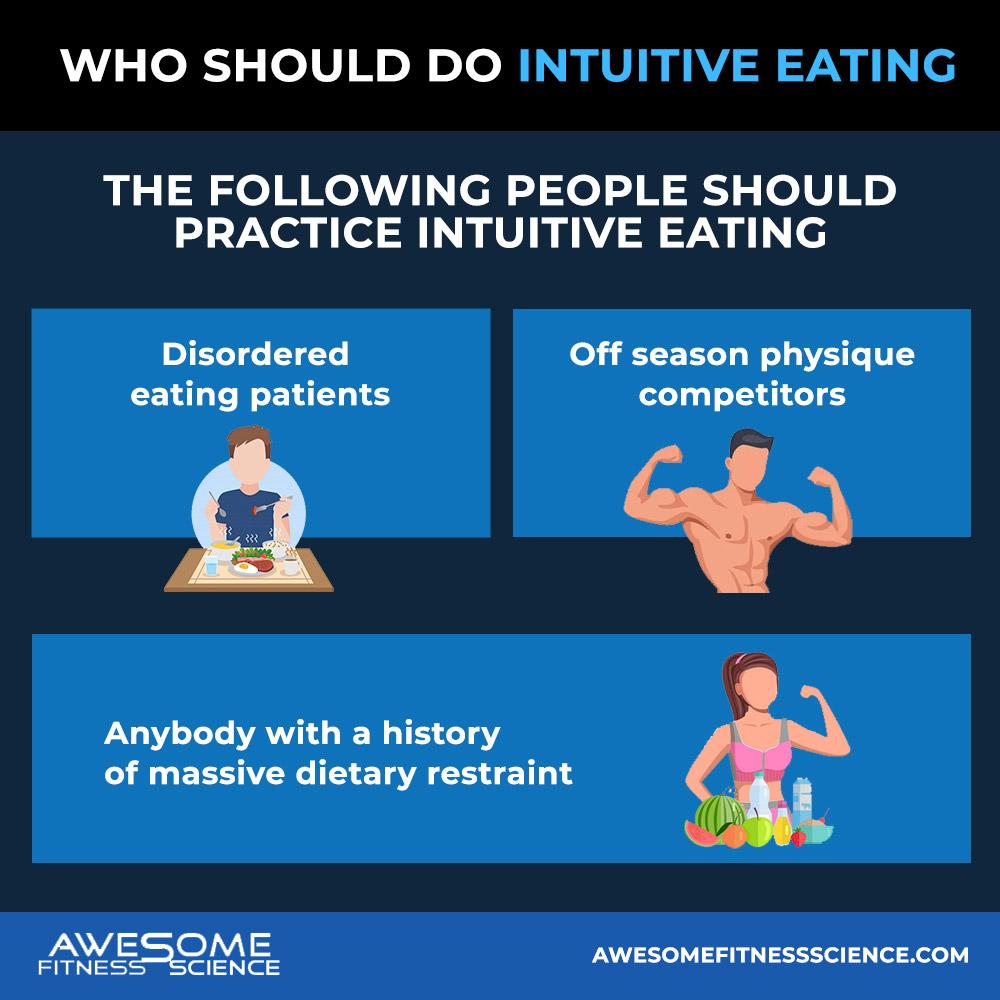
Exploring the Psychological Impact of Meal Tracking
While meal tracking can offer valuable insights into one’s dietary habits, it is essential to recognize the fine line between mindful eating and obsessive behavior. The act of logging every morsel consumed may, for some individuals, transition from a tool of empowerment to a source of anxiety. This meticulous attention to detail might inadvertently amplify feelings of guilt or shame when deviating from one’s perceived dietary goals, potentially leading to a negative cycle of self-criticism and dietary rigidity.
- Heightened Anxiety: Constant tracking can exacerbate stress and anxiety, particularly if daily intake becomes synonymous with self-worth.
- Distorted Body Image: An excessive focus on calorie counting might contribute to a skewed perception of one’s body, fostering dissatisfaction.
- Loss of Intuitive Eating: The natural cues of hunger and satiety can be overshadowed by the numbers, diminishing the joy of eating.
Ultimately, while the digital diary of one’s dietary journey can promote awareness, it is crucial to maintain a balanced perspective. Emphasizing flexibility and self-compassion over perfection can help mitigate potential adverse effects, ensuring that meal tracking remains a supportive, rather than detrimental, practice.
Balancing Awareness and Obsession in Dietary Habits
In today’s digital age, the convenience of apps and gadgets that meticulously record our dietary intake has transformed the way we approach food. While these tools can foster healthier eating patterns, they can also lead to an overwhelming fixation on numbers and stats. It’s essential to recognize when this meticulous tracking crosses the line into obsession, potentially undermining the very health goals we aim to achieve. Here are some signs that your healthy habit might be taking a toll:
- Constant Preoccupation: If meal tracking consumes your thoughts and influences your daily decisions beyond reason, it might be time to reassess your approach.
- Emotional Impact: Experiencing guilt or anxiety over not meeting calorie goals can indicate an unhealthy relationship with food.
- Social Withdrawal: Avoiding social events due to a lack of control over meal choices can be a red flag.
- Rigid Rules: When dietary guidelines become inflexible rules that dictate your life, the balance has tipped towards obsession.
Finding a middle ground where you are informed yet not consumed by dietary data is crucial. It involves cultivating a mindset where food is seen as nourishment and enjoyment rather than a series of numbers to be managed. By focusing on a balanced approach, you can maintain awareness without succumbing to the pitfalls of obsession.

Understanding the Benefits and Risks of Food Journaling
Food journaling has emerged as a popular tool for those looking to better understand their dietary habits. By meticulously documenting each meal, individuals can identify patterns in their eating behaviors, making it easier to recognize triggers for unhealthy choices and discover what truly nourishes them. The practice encourages mindfulness, often leading to more informed decisions and a greater appreciation for the meals consumed. Furthermore, food journals can be a valuable resource for healthcare professionals to provide tailored advice based on an individual’s specific dietary needs.
However, while the benefits are numerous, it is crucial to be aware of the potential downsides. Obsessive tracking can lead to an unhealthy relationship with food, where the focus shifts from nourishment to numbers. Some individuals may develop anxiety over eating “perfectly,” potentially leading to disordered eating patterns. To prevent this, it’s important to maintain a balanced perspective. Consider the following tips to keep food journaling healthy:
- Avoid logging every single detail; focus on general patterns instead.
- Set realistic and flexible goals rather than rigid rules.
- Use journaling as a tool for self-reflection, not self-criticism.
By approaching food journaling with a balanced mindset, individuals can reap its benefits without falling into the trap of obsession.

Practical Tips for Healthy and Mindful Eating Practices
Embracing a balanced approach to eating involves more than just monitoring what goes on your plate. It’s about cultivating a relationship with food that is both nourishing and sustainable. Here are some practical tips to help you maintain a mindful eating practice:
- Listen to Your Body: Pay attention to hunger and fullness cues. Eating when you’re truly hungry and stopping when you’re comfortably full can prevent overindulgence and promote a healthier mindset.
- Focus on Variety: Incorporate a wide range of colors and textures into your meals. This not only ensures a diverse intake of nutrients but also keeps meals exciting and satisfying.
- Practice Gratitude: Before eating, take a moment to appreciate the food on your plate. Acknowledging the effort that went into preparing your meal can enhance your eating experience and foster mindfulness.
- Limit Distractions: Try to eat without screens or multitasking. Engaging fully with your meal can improve digestion and help you enjoy your food more thoroughly.
- Set Realistic Goals: Instead of aiming for perfection, focus on small, achievable changes that fit into your lifestyle. This reduces pressure and allows for a more sustainable approach to healthy eating.