In the realm of modern wellness trends, where kale smoothies and mindfulness apps reign supreme, intermittent fasting has emerged as a beacon of simplicity and discipline. As the clock ticks through its relentless cycle, this age-old practice invites us to rethink our relationship with time and food. Yet, as with any health trend that gains momentum, questions linger in the shadows: Is intermittent fasting a universal key to well-being, or does it harbor risks that could unlock unintended consequences? In this exploration, we delve into the science and stories behind intermittent fasting, examining its safety and suitability for diverse lifestyles and bodies. Join us as we navigate the intricate dance of fasting and feasting, seeking clarity in the balance between ancient wisdom and modern living.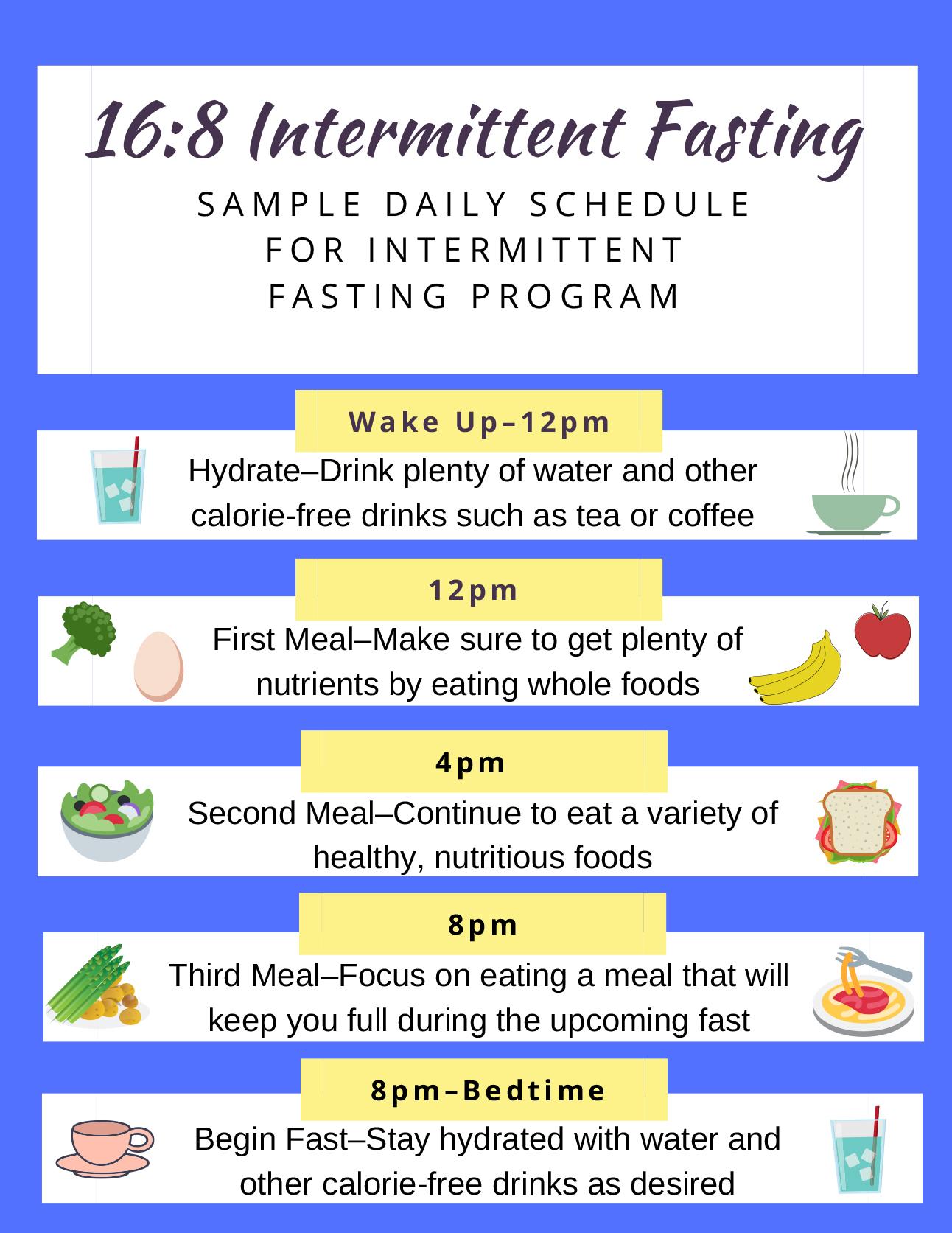
Understanding Intermittent Fasting: Benefits and Risks
Intermittent fasting has gained popularity for its potential health benefits, which include:
- Weight loss and improved metabolism: By restricting eating periods, the body may burn fat more efficiently.
- Enhanced brain function: Some studies suggest that fasting can boost cognitive performance and protect against neurodegenerative diseases.
- Reduced inflammation: Fasting might help decrease inflammation, which is linked to several chronic conditions.
However, it’s crucial to consider the potential risks and who might need to approach this eating pattern with caution. Pregnant or breastfeeding women, individuals with a history of eating disorders, and those with certain medical conditions, such as diabetes, should consult with a healthcare provider before starting intermittent fasting. It’s also important to note that fasting might lead to nutritional deficiencies if not managed properly, emphasizing the need for a balanced diet during eating windows. As with any lifestyle change, it’s essential to weigh the benefits against the risks and tailor the approach to individual health needs and circumstances.
Who Should Avoid Intermittent Fasting: Health Conditions and Concerns
Intermittent fasting, while popular and beneficial for many, may not be suitable for everyone. Certain individuals with specific health conditions should approach this eating pattern with caution. Those with a history of eating disorders may find the restrictive nature of fasting triggering, potentially exacerbating their condition. People with diabetes, particularly those on insulin, need to be wary, as fasting can lead to unpredictable blood sugar levels, which might require careful management and medical supervision.
Furthermore, individuals with chronic illnesses such as heart disease or those undergoing treatment for cancer should consult with healthcare providers before making any dietary changes. Pregnant or breastfeeding women also need to ensure they are consuming adequate nutrients for their own health and that of their child. Lastly, anyone with gastrointestinal issues like acid reflux or irritable bowel syndrome might experience worsened symptoms due to prolonged fasting periods. It’s essential to prioritize one’s health and well-being by considering these concerns and seeking professional advice if needed.
- Eating disorders
- Diabetes
- Chronic illnesses
- Pregnancy or breastfeeding
- Gastrointestinal issues

Tips for a Safe Fasting Experience: Expert Recommendations
To ensure a safe and effective fasting journey, it is crucial to follow expert advice and listen to your body’s signals. Here are some key recommendations to consider:
- Stay Hydrated: Drink plenty of water throughout the fasting period to maintain optimal hydration levels and support bodily functions.
- Choose Nutrient-Dense Foods: When breaking your fast, focus on consuming balanced meals rich in vitamins, minerals, and healthy fats to replenish energy levels.
- Listen to Your Body: Pay attention to signs of fatigue, dizziness, or irritability, and adjust your fasting routine accordingly to avoid adverse effects.
- Consult a Healthcare Professional: If you have any underlying health conditions or concerns, it’s wise to seek personalized advice from a qualified healthcare provider before starting an intermittent fasting regimen.

Listening to Your Body: Personalizing Your Fasting Approach
When it comes to intermittent fasting, one size does not fit all. Each individual’s journey is unique, shaped by personal health goals, lifestyle, and biological needs. Listening to your body is paramount, allowing you to tailor a fasting approach that aligns with your physical and mental well-being. Some key considerations include:
- Hunger Signals: Pay attention to natural hunger cues. If fasting leaves you feeling excessively hungry or fatigued, it might be time to adjust your eating window or caloric intake.
- Energy Levels: Monitor how your energy fluctuates throughout the day. If you notice a drop during fasting periods, consider modifying your schedule to better suit your energy peaks and troughs.
- Emotional Response: Be mindful of your emotional state. Fasting should not lead to stress or anxiety. If it does, a more flexible approach might be beneficial.
By tuning into these signals, you can craft a fasting regimen that not only supports your health goals but also respects your body’s natural rhythms and needs. Remember, the ultimate goal is to enhance well-being, not to impose undue stress or discomfort.