In the modern world, where the clamor of diet trends often drowns out the voice of reason, intermittent fasting emerges as a practice that beckons with promises of simplicity and health. But beyond the buzz and the celebrity endorsements lies a tapestry woven with the threads of science and tradition. Intermittent fasting, an age-old ritual rediscovered by contemporary seekers of wellness, challenges conventional wisdom by inviting periods of intentional abstention from food. This article embarks on a journey through the corridors of scientific inquiry to unravel the mechanisms that make intermittent fasting not just a fleeting fad, but a potential cornerstone of metabolic health. By exploring the physiological processes activated during fasting, and examining the evidence of its impact on weight management, cellular repair, and longevity, we aim to illuminate the path from anecdotal success stories to evidence-based practice. Join us as we delve into the science behind intermittent fasting and evaluate its effectiveness in the quest for a healthier life.
Unlocking Cellular Regeneration Through Fasting
Intermittent fasting has emerged as a fascinating field of study within the realms of nutrition and health sciences, with its potential to trigger cellular regeneration being a topic of particular interest. At the core of this process lies autophagy, a natural mechanism where cells digest and recycle their own components. During fasting periods, the body’s energy deficit signals cells to begin this self-cleaning process, removing damaged organelles and proteins. This not only revitalizes cellular functions but also has implications for longevity and disease prevention.
Key Benefits of Cellular Regeneration through Fasting:
- Improved Metabolic Health: Enhanced autophagy can lead to better insulin sensitivity and reduced inflammation.
- Neuroprotection: By clearing out cellular debris, fasting may protect against neurodegenerative diseases.
- Longevity: Cellular renewal processes are linked to increased lifespan in various organisms.
Hormonal Shifts and Metabolic Advantages
Intermittent fasting, a dietary strategy that’s been gaining traction, hinges on the fascinating interplay between . When we abstain from food for extended periods, our bodies undergo significant changes in hormone levels, particularly insulin. Insulin levels drop, allowing for easier fat burning as energy stores become more accessible. This reduction in insulin is often accompanied by an increase in growth hormone, which not only aids in fat metabolism but also supports muscle preservation, a crucial factor for those concerned about maintaining lean body mass.
Beyond insulin and growth hormone, intermittent fasting also influences norepinephrine, a hormone that prepares the body for action. Elevated norepinephrine levels boost metabolic rate, enhancing calorie expenditure even during rest. This combination of hormonal changes can lead to several metabolic benefits, including improved insulin sensitivity and a reduction in inflammation. These shifts not only contribute to weight loss but also support overall metabolic health. the hormonal adjustments triggered by intermittent fasting create a fertile ground for metabolic advantages, making it a compelling approach for those seeking to optimize their health and fitness.
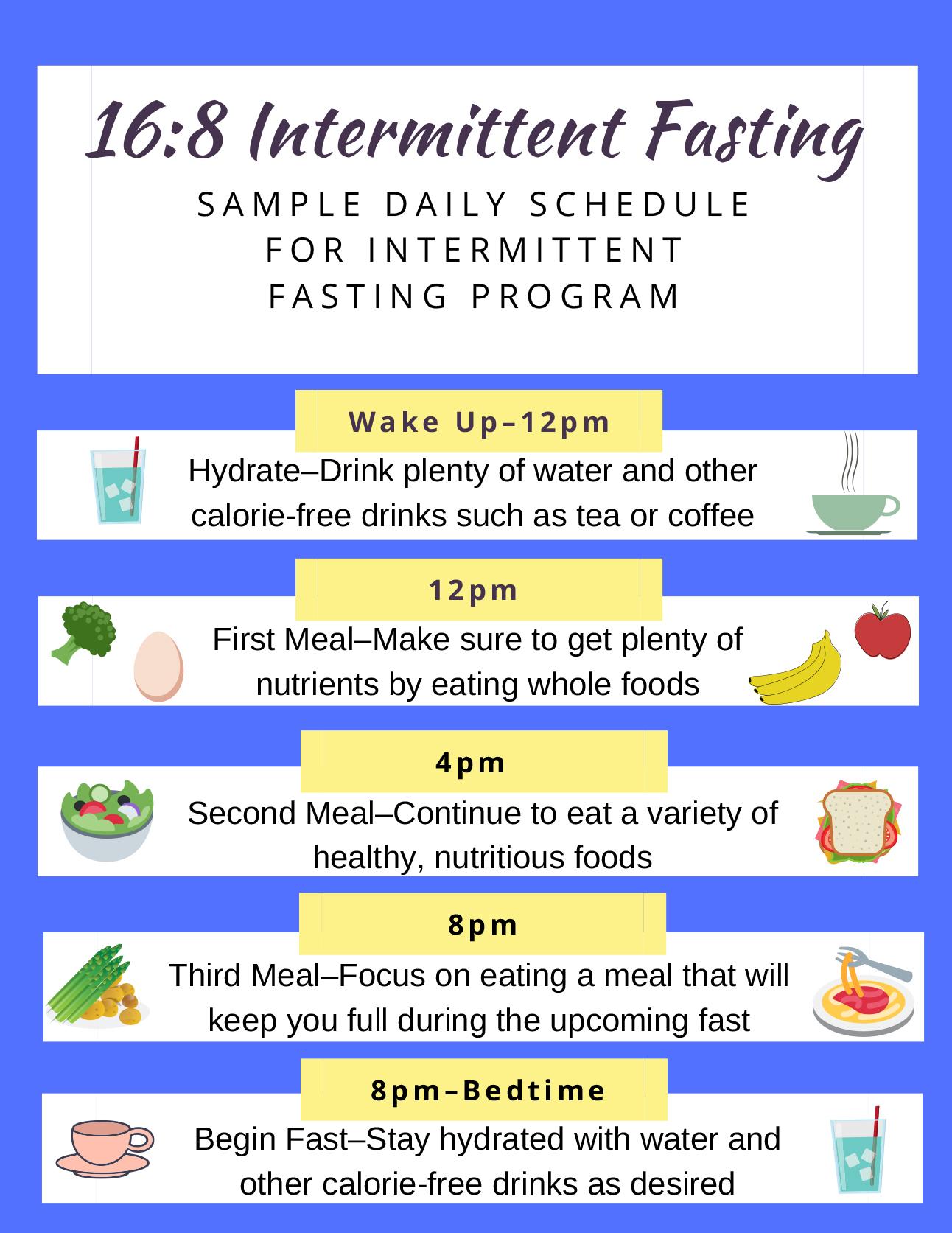
Tailoring Fasting Schedules for Optimal Results
Understanding how to tailor fasting schedules to individual needs can significantly enhance the effectiveness of intermittent fasting. The key lies in recognizing that each person’s metabolic rate, lifestyle, and health goals are unique. Therefore, customizing fasting windows is essential for optimizing results. Some people may thrive on a 16:8 method, fasting for 16 hours and eating within an 8-hour window, while others may find a 5:2 approach, involving five days of regular eating and two days of restricted calorie intake, more suitable. Experimentation and personal adjustment are crucial to discovering the most effective schedule.
- Personal Goals: Consider whether the aim is weight loss, improved mental clarity, or enhanced metabolic health.
- Activity Levels: Align fasting periods with your workout routine to ensure energy levels are maintained.
- Dietary Preferences: Ensure the eating window allows for balanced meals that align with nutritional needs.
- Sleep Patterns: Synchronize fasting times with sleep cycles to support natural body rhythms.
By focusing on these aspects, individuals can craft a fasting schedule that not only aligns with their daily routines but also maximizes the health benefits associated with intermittent fasting. It’s a journey of trial and error, but one that can lead to profound insights into personal well-being.

Balancing Nutrition and Fasting for Sustainable Health
In the realm of sustainable health, achieving a balance between nutrition and fasting is crucial. Intermittent fasting (IF) is not just about skipping meals; it’s about optimizing the body’s natural rhythms to enhance health outcomes. Nutritional balance during eating windows is vital to ensure that the body receives essential nutrients for energy, growth, and repair. This means incorporating a variety of food groups such as:
- Proteins for muscle maintenance and repair
- Healthy fats like omega-3s for brain health
- Complex carbohydrates for sustained energy
- Vitamins and minerals from fruits and vegetables for overall well-being
When done correctly, IF can lead to improved metabolic health, weight management, and even increased longevity. However, it’s essential to avoid common pitfalls like nutrient deficiencies by planning meals mindfully. Focus on whole, unprocessed foods and consider consulting with a nutritionist to tailor a plan that fits individual health needs and goals.
To Wrap It Up
As we draw the curtain on our exploration of intermittent fasting, we find ourselves at the intersection of ancient practices and modern science. This dietary approach, rooted in the rhythms of nature, invites us to reconsider not just what we eat, but when we eat. With a growing body of research underscoring its potential benefits, from metabolic health to longevity, intermittent fasting stands as a testament to the power of simplicity in an increasingly complex world. Yet, like any health regimen, it is not a one-size-fits-all solution. It beckons us to listen to our bodies, to engage with the science, and to make informed choices that align with our unique lifestyles and needs. As we step away from this article, let us carry forward the spirit of curiosity and mindfulness, remembering that the journey towards well-being is as much about the questions we ask as the answers we find.